

Table of Contents
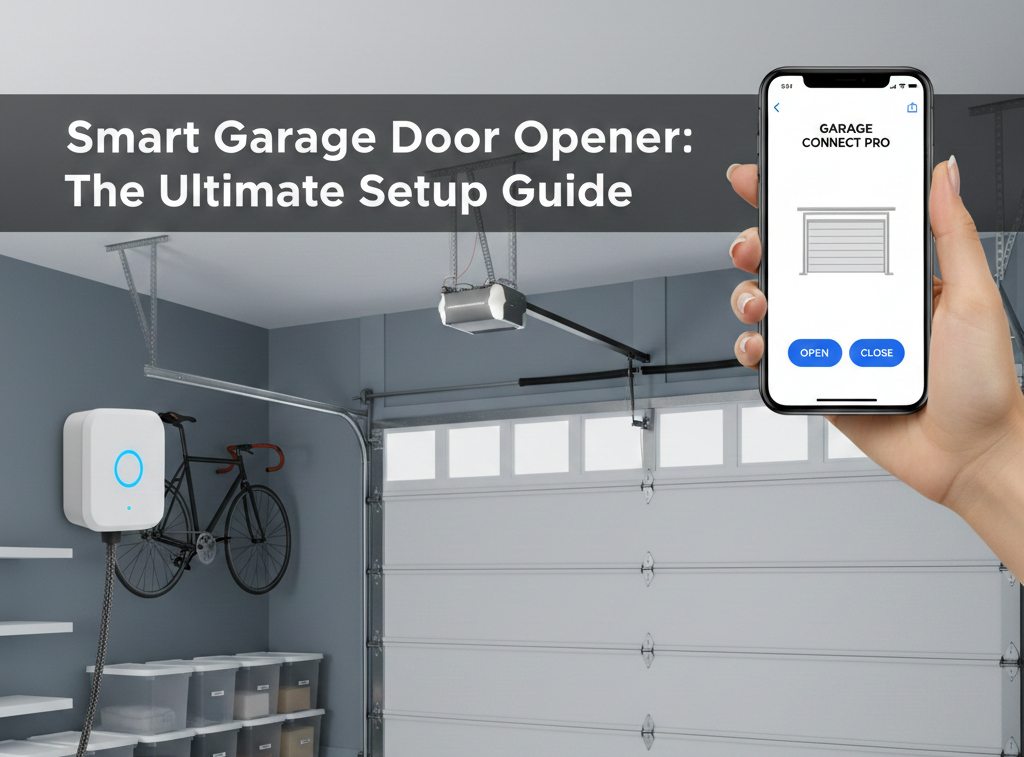
Smart garage door opener systems are changing how homeowners access, monitor, and secure their garages—adding convenience, remote control, and new security features that didn’t exist with traditional openers.
Key Takeaways
- Smart garage door openers offer remote access, voice assistant integration, and increased security features, but setup can be challenging.
- Common user issues include installation complexity, recurring fees, and internet dependency. Security and privacy are top concerns to vet when choosing a device.
- Comparing available models requires understanding compatibility, ongoing costs, and the specific features each system supports.
- The Core Concept: What Is a Smart Garage Door Opener?
- Step-by-Step Guide: How to Choose and Set Up a Smart Garage Door Opener
- Advanced Analysis & Common Pitfalls
- Conclusion
- FAQ
The Core Concept: What Is a Smart Garage Door Opener?
A smart garage door opener is an internet-connected device that allows you to control and monitor your garage door using a smartphone app, voice assistant, or integration with a smart home system. Unlike traditional openers, these devices can alert you if the garage is left open, schedule automatic closures, and integrate with platforms such as Alexa, Google Assistant, and Apple HomeKit for hands-free operation.
The market for smart and WiFi garage door controllers is rapidly expanding. The global smart garage door opener market reached USD 1.82 billion in 2024 (source) and is propelled by demand for improved security, convenience, and integration with home automation systems. WiFi models like Chamberlain myQ are the most popular for their remote features, while Bluetooth-based alternatives such as NEXX Garage offer lower-cost, offline options for areas with unstable internet (source).
Even as adoption accelerates, smart garage opener installation and ownership can seem daunting. Let’s break down what’s actually involved.
Step-by-Step Guide: How to Choose and Set Up a Smart Garage Door Opener
Selecting the right smart garage door opener comes down to a combination of compatibility, desired features, and budget. Here’s a step-by-step guide to help you avoid common mistakes and maximize convenience and security from day one.
- Decide on WiFi or Bluetooth: WiFi models offer remote access and smart home integration (like Chamberlain myQ alternatives). Bluetooth options lack remote access but work better if your internet is unreliable (source).
- Check Smart Home Compatibility: Not all systems work with your chosen platform (Alexa, Google, or Apple HomeKit). The best smart garage door opener for you will integrate with your favorite voice assistant and home routines. Confirm if voice control or automation is included—some brands charge extra subscription fees for this.
- Review Total Cost of Ownership:
- Device Purchase Price: WiFi models typically cost more up front than simple Bluetooth openers.
- Installation: Professional installation can double your costs. If you’re handy, most WiFi openers come with DIY instructions. Chamberlain and Genie are examples of brands offering both options.
- Subscription Fees: Features such as remote access, cloud storage for video, or integration with some smart home platforms occasionally require monthly or annual subscriptions. Always check the small print.
See our guide to garage door opener cloud service fees for a detailed breakdown of 2024’s leading models.
- Installation:
- Follow the app’s guided setup to connect the opener to your WiFi. If your device uses Bluetooth, pair it directly with your phone.
- Physically mount the hub or controller within range of both the garage door motor and your WiFi router.
- Sync with your garage door opener via provided wires or learning process (check manual).
Many leading models also provide video tutorials and live support—take advantage if you get stuck.
- Customize Alerts and Automations:
- Set up push notifications for door activity.
- Program schedules or geofencing so the door closes when you leave and alerts if left open.
- Link the opener with other smart devices (lights, home security system, etc.).
You can explore more tips on maximizing alerts and routines in our garage door automation ideas post.
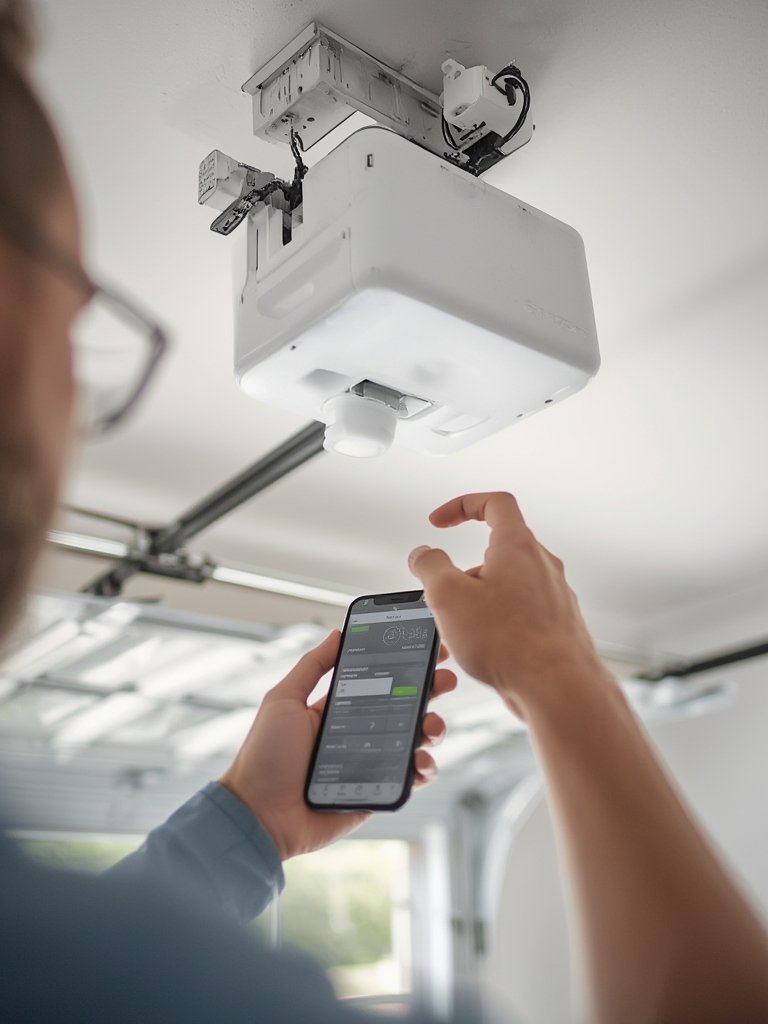
Take advantage of built-in security options like two-factor authentication and real-time monitoring right from the app. For brands prioritizing security, see our garage door opener security tips guide.
For more details about which system is right for you, check the latest data on smart home compatibility—platforms like Data Insights Market provide current integration guides.
Advanced Analysis & Common Pitfalls
Installing a smart garage door opener provides many advantages, but there are common issues and pitfalls to watch out for:
- High Upfront Costs: WiFi-enabled openers often cost significantly more than traditional units. Subscription fees for added functionality (like remote access or HomeKit integration) can push the lifetime cost even higher (source).
- Connectivity Issues: Opener reliability is heavily dependent on your home WiFi. Weak signals in your garage are the root cause behind many negative user reviews. Bluetooth options sidestep this but at the cost of remote access.
- Installation Complexity: Compatibility with older openers, required wiring, and software updates can make installation tricky for first-timers. Failure to follow manufacturer instructions leads to most early problems.
- Security Concerns: Devices with insecure or out-of-date firmware may be vulnerable to hacking. Some brands offer robust encryption and two-factor authentication, but specifics are rarely publicized or easily comparable (source).
- Ongoing Fees: Cloud storage, remote access, or even voice assistant integration sometimes require monthly payments beyond the initial purchase—a hidden cost that frustrates many buyers.
| Feature | WiFi Openers | Bluetooth Openers | Traditional Openers |
|---|---|---|---|
| Remote Access | Yes (App, Voice Control) | No (Local Only) | No |
| Smart Home Integration | Alexa, Google, Apple HomeKit* | Limited/None | None |
| Upfront Cost | High | Lower | Low |
| Ongoing Fees | Sometimes Required | Rarely | None |
| Installation Difficulty | Medium to High | Medium | Low |
| Security (User Control) | Advanced (But Varies by Brand) | Good (Offline by Default) | Basic |
*HomeKit integration may require a paid upgrade or specific models.
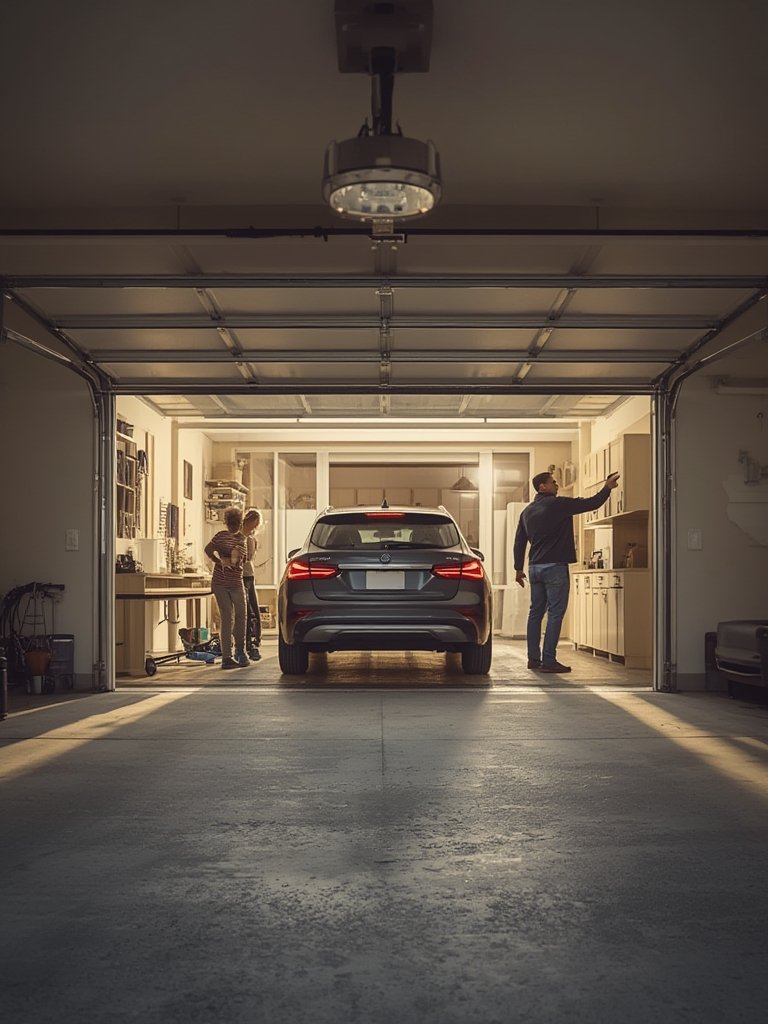
In summary, most reliability complaints stem from two factors: weak or unstable WiFi in the garage, and trying to use incompatible openers (such as pairing a modern smart controller with a nonstandard or very old garage motor). Before purchasing, always confirm compatibility and have a plan for stable garage WiFi. Extra costs after buying can be minimized by carefully researching cloud fees and choosing a brand with straightforward, transparent pricing.
For those with older homes or unreliable connectivity, consider pairing a budget Bluetooth opener as a backup while upgrading your home wireless network for longer-term flexibility.
Conclusion
Smart garage door opener systems provide unmatched convenience, new levels of control, and future-proof your home’s entry points—but real-world adoption depends on careful device selection, understanding ongoing costs, and ensuring compatibility with your existing systems. By keeping an eye on WiFi reliability and security features, you can avoid most common headaches. If you’re ready to upgrade, compare features, subscriptions, and installation before you buy a smart garage door opener and make your choice with confidence.
Ready to modernize your garage? Start by exploring our full best smart garage door opener reviews or contact a local pro for a personalized installation quote today.
FAQ
How does a smart garage door opener work?
Smart garage door openers connect to your home WiFi or Bluetooth and allow you to open, close, or monitor your garage door from a smartphone app or smart home device. They feature built-in sensors and enable you to automate schedules, receive alerts, and integrate with popular platforms like Alexa and Google Assistant.
What are the biggest installation challenges?
The most common installation issues arise from weak WiFi in the garage, compatibility problems with older doors or motors, and mistakes during wiring or app setup. Using a compatibility checker before purchase and testing your WiFi speed in the garage can help avoid these headaches.
Do smart garage door openers require a subscription?
Some brands charge ongoing fees for advanced features such as remote access, cloud video storage, or smart home integration (especially Apple HomeKit or IFTTT connections). Always check fee details before you buy and read our guide to garage door opener cloud service fees for current details.
Are smart garage door openers safe and secure?
Most reputable brands offer robust security, including encryption, two-factor authentication, and real-time usage alerts. However, devices can still be vulnerable if not updated regularly. Choose a model from a trusted manufacturer and activate all available security options.
What if my internet goes down?
If your opener uses WiFi, you’ll lose remote access and app control during an outage but can usually open or close the garage using a backup remote or wall button. Bluetooth models will retain local smartphone control but won’t work remotely.