

Table of Contents
### Blog Post:
Butler’s pantry installations are redefining how homeowners approach kitchen storage and entertaining in 2024. If you want more than just a stylish cabinet upgrade, learning what works—and what goes wrong—with these trending spaces is crucial for getting lasting value and enjoyment.
Key Takeaways
- Butler’s pantries are top renovation features in 2024 for boosting kitchen storage, prep, and entertaining spaces.
- Project costs vary widely, with smart planning needed to avoid common mistakes like inadequate appliance zones and poor layout.
- Features like walk-in layouts, hidden storage, and dedicated beverage stations can dramatically enhance your home’s functionality and resale value.
What is a Butler’s Pantry and Why Is It Trending?
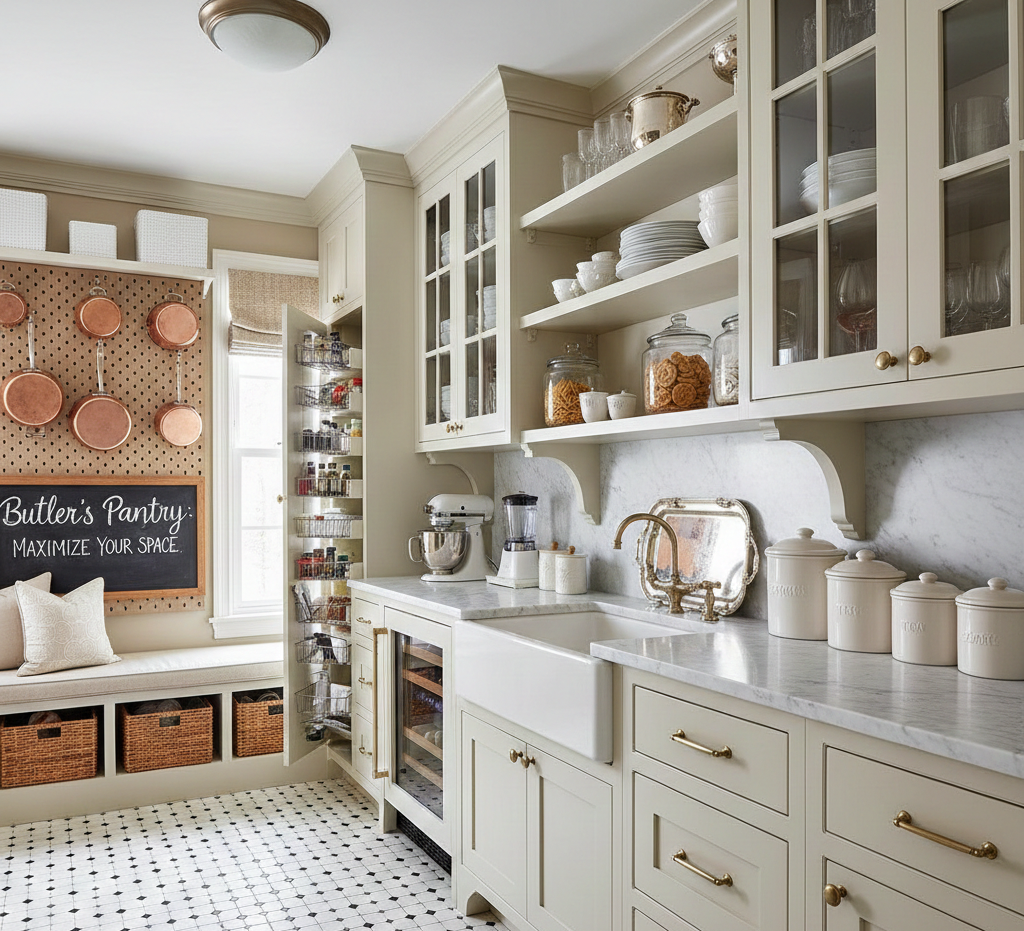
A butler’s pantry is a transitional room or space connecting the kitchen and dining area, primarily used for meal prep, storage, and staging meals or drinks when entertaining. In modern homes, it’s seldom staffed by a butler but provides hidden, organized storage, extra workspace, and sometimes a sink or beverage station—all highly valued with today’s open kitchen layouts.
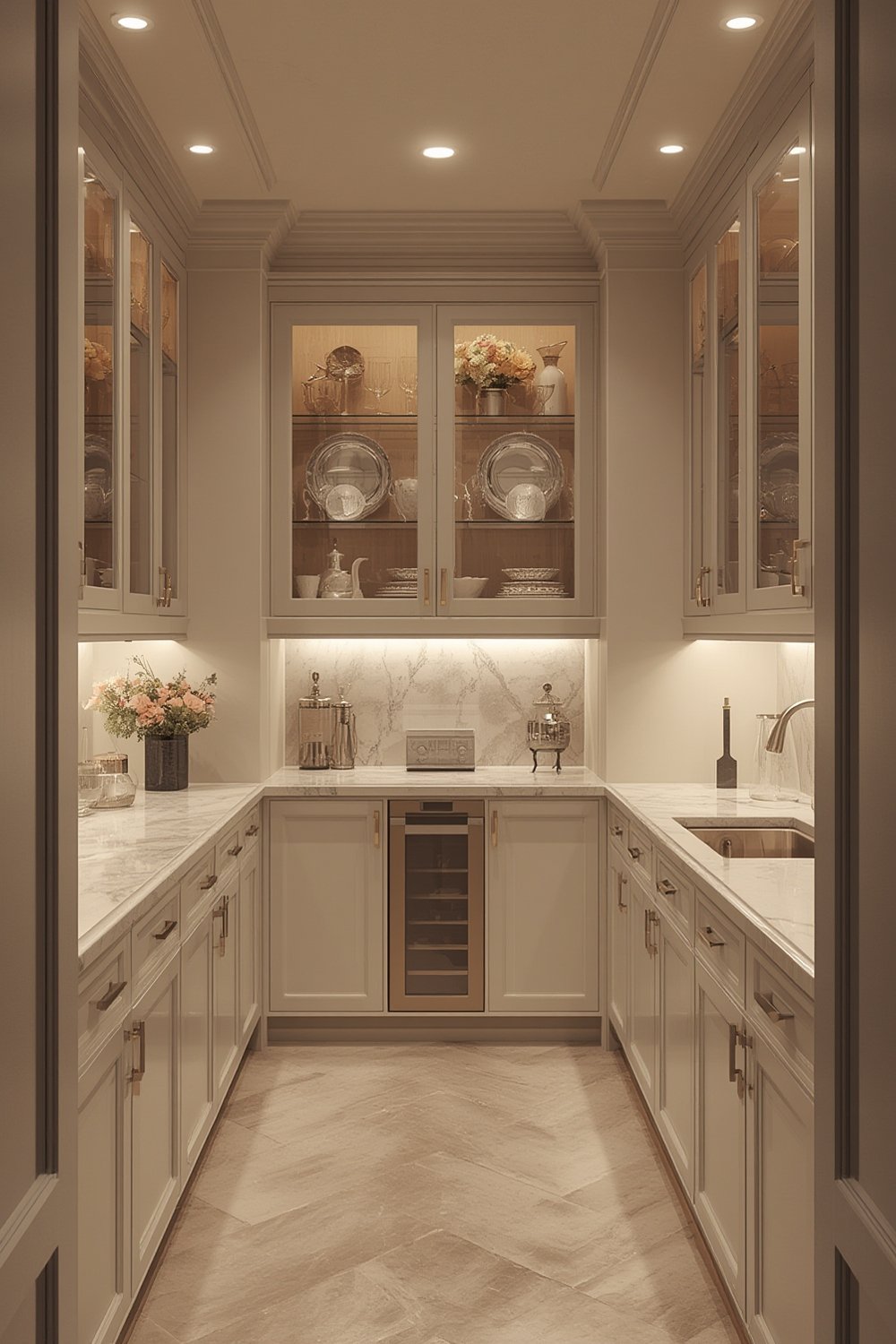
Butler’s pantries surged in 2024 home design popularity, driven by the desire for decluttered kitchens, flexible entertaining zones, and more intelligent organization. They’re especially appealing in renovations where maximizing prep space and minimizing mess in open-plan areas is a must. Recent trends push for walk-in butler pantries with custom storage, hidden pantries integrated behind cabinetry, and dedicated beverage or home bar setups.
This type of upgrade is not only about aesthetics—it aligns with practical homeowner needs and can impact property value. While there’s no hard data on immediate resale impact, according to industry experts, demand for butler’s pantries is directly tied to ongoing trends in organizational efficiency, kitchen expansion, and feature-rich home additions.
How to Plan and Build a Butler’s Pantry: Step-by-Step Guide
Creating a butler’s pantry is more than just adding shelves. Here’s a step-by-step approach to planning and building a functional pantry space that avoids costly mistakes:
- Assess Location and Space: Ideally, your butler’s pantry should connect the kitchen and dining area or be positioned near main food prep zones. Evaluate the available square footage—consider a reach-in if you’re tight on space, or a full walk-in if possible.
- Define Primary Functions: Do you want extra food storage, a place for small appliances, a meal prep zone, or an entertaining beverage station? Determining your priorities early shapes the layout and essential features.
- Set a Realistic Budget: Nationwide, custom pantries (including butler’s pantries) average about $2,000 for basic installation, with most projects spanning $1,100 to $2,900. For reach-in pantries, expect $250‑$1,500. Small walk-ins run $750‑$2,000, while large walk-ins go up to $3,500 (source).
- Plan Infrastructure: Factor in costs for electrical work ($6–$8 per square foot), lighting ($160–$1,000), wall removal ($300–$1,000), permits ($400–$2,200), and shelving ($400–$750 per custom unit). Decide if minimal plumbing (for a small sink) is needed—unlike a full scullery, most butler’s pantries do not require extensive plumbing or ventilation (learn more here).
- Choose Materials and Features: Melamine, maple, or birch plywood shelving outlasts cheap cabinets. Consider custom cabinets, open shelving, hidden storage, a beverage cooler, or even a compact dishwasher to maximize utility.
- Use a Professional or DIY: For electrical and structural changes, always hire a licensed contractor. Some storage or cabinetry parts offer DIY installation, but compliance with local codes is crucial (source).
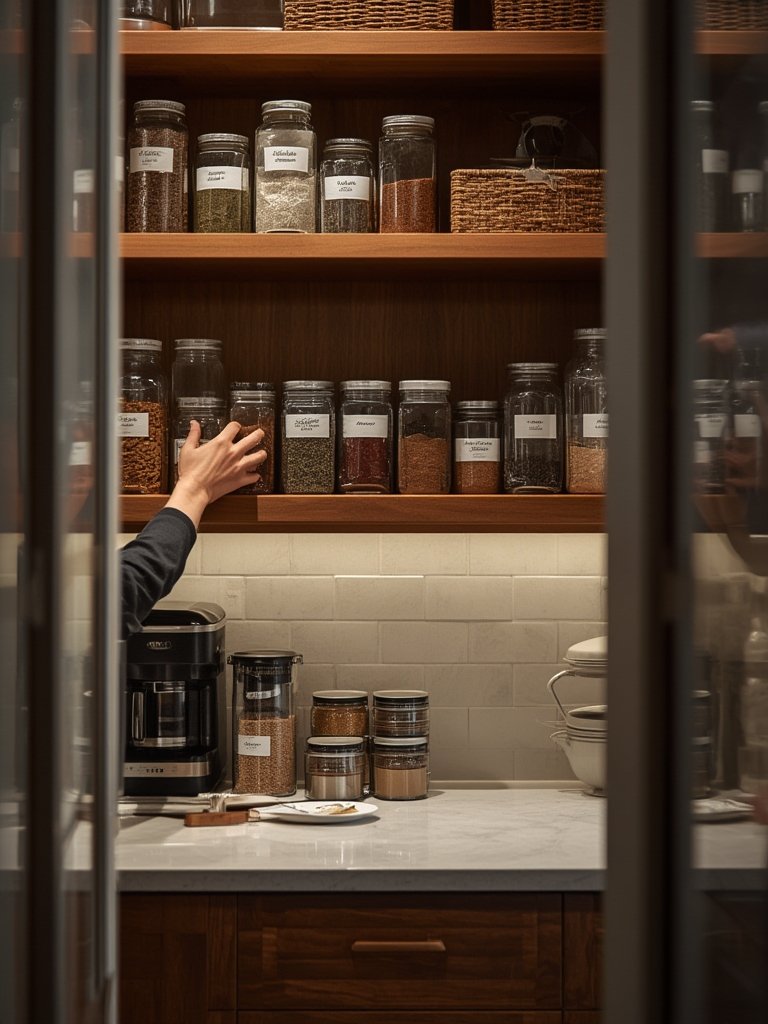
For more in-depth inspiration on transforming awkward nooks or small areas, check out our guide on hidden pantry ideas or see the full walkthrough for creating a pantry in a small kitchen.
After installation, organize your shelves with categories in mind: snacks, dinnerware, serving platters, and appliances. Not sure how to organize without tons of shelves? Our kitchen storage experts have you covered.
Real-World Analysis & Common Pitfalls
Despite their popularity, not every butler’s pantry becomes a success. Here’s what can go wrong and how to avoid wasting money:
- Lack of Space: Small butler’s pantries may not fit bulky appliances, making storage tight and workflow inefficient—especially compared to sculleries, which allow more robust prep.
- Poor Layout: Without proper planning, you may end up with awkward shelves, insufficient counter space, or blocked access. Positioning for ergonomic reach and easy flow between spaces is essential.
- Skipping Plumbing or Electrical Upgrades: While a basic pantry doesn’t need plumbing, wanting a beverage fridge, prep sink, or built-in coffee station means you can’t skip these steps. Retrofitting after the fact is costly and disruptive.
- Budget Underestimation: Costs rise quickly when you add wiring, custom cabinets, or lighting. Upgrading materials mid-project is also a common (and pricey) pitfall.
- Missed Opportunities with Features: Hidden pantries, walk-in layouts, and full beverage stations are still underexplored by many homeowners and remodelers. Integrating these unique features can set your project apart.
| Pantry Type | Average Installed Cost | Primary Features | Common Pitfalls |
|---|---|---|---|
| Reach-in | $250–$1,500 | Cabinet shelves, organizers | Limited space, poor lighting |
| Small walk-in | $750–$2,000 | Shelving, small appliance storage | No room for large appliances, tight access |
| Large walk-in | $2,000–$3,500 | Prep counter, appliance bays, sink | Layout errors can waste space |
| Scullery kitchen | $5,000+ | Full prep, cooking, and washing zones | Higher costs, requires extensive plumbing |
Curious about how real families make these spaces work? One notable case study transformed a planned powder room into a butler’s pantry near the kitchen and garage, delivering functional storage and meal prep for holiday entertaining. For design inspiration drawn from history, see examples from historic Delaware homes.
Conclusion
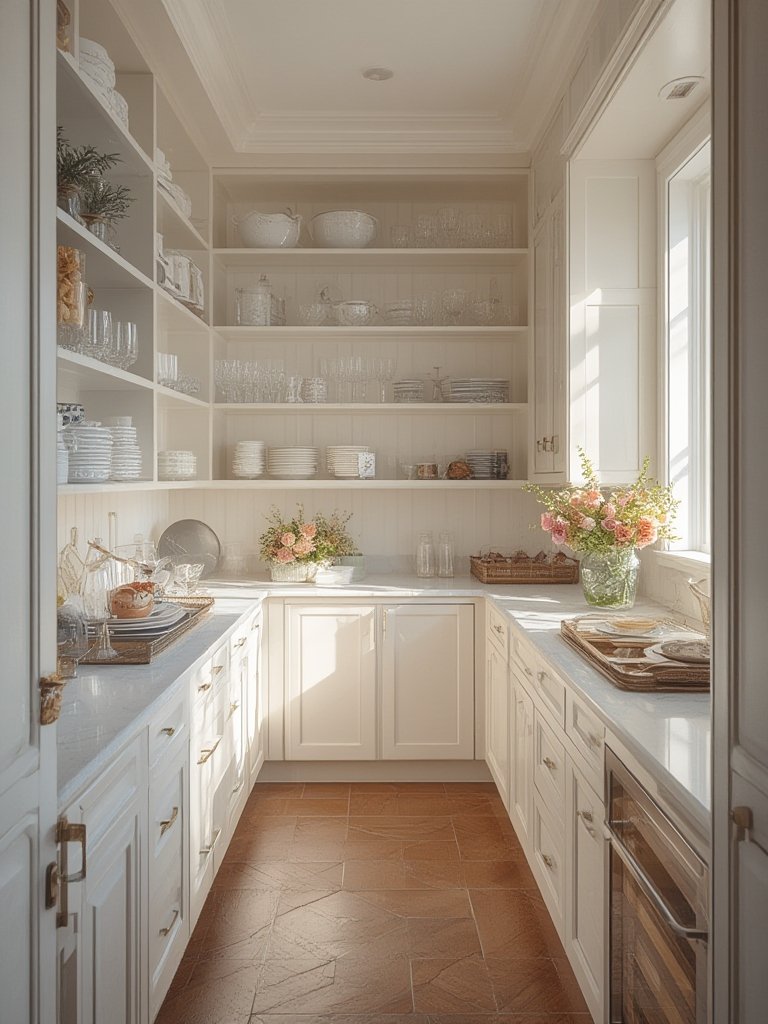
A butler’s pantry is more than a trend—it’s a proven investment in storage, convenience, and versatility. By understanding cost breakdowns, design options, and common pitfalls, you can make informed decisions and create a space tailored to your lifestyle. Don’t let overlooked details or rushed plans undermine your renovation. If you’re ready to upgrade your kitchen experience, start your butler’s pantry project by reviewing our comprehensive kitchen pantry storage solutions or request a professional design consultation today.
FAQ
How much does it cost to add a butler’s pantry?
Costs range from $250 for a basic reach-in to $3,500 for a large walk-in, with the national average around $2,000. Advanced features or high-end finishes can increase the price.
Is a butler’s pantry worth the investment?
Yes, especially if you entertain often or need more storage and prep space. While hard ROI data varies, real estate trends and buyer demand indicate strong value in updated kitchen features.
What are the must-have butler’s pantry features in 2024?
Top features include walk-in access, custom open shelving, hidden or tucked-away storage, beverage fridges, and accent lighting. Durable materials, such as melamine or plywood shelves, are preferred.
Can I add a butler’s pantry to a small kitchen?
Yes, with creative planning. Hidden pantries or shallow built-in cabinets behind existing walls work well in compact homes. For step-by-step guidance, explore our small kitchen pantry tutorial.
Do butler’s pantries need plumbing?
Not always. If you want a prep sink or beverage fridge, minimal plumbing runs may be required. Otherwise, dry storage is more common and simple to execute.