

Table of Contents
SPC flooring is quickly gaining ground as a top choice in residential and commercial spaces, offering a mix of waterproof performance, cost savings, and long-term durability. Whether you’re weighing it against traditional vinyl or hardwood, it’s crucial to see the real facts before deciding what goes beneath your feet.
Key Takeaways
- SPC flooring holds over 25% of the global luxury vinyl tile market, with strong adoption in both residential and commercial remodeling.
- It is valued for waterproofing, durability, and eco-friendliness, making it a preferred alternative to traditional vinyl and hardwood.
- Buyers should look beyond marketing and consider real-world installation, maintenance, and missing data about long-term durability.
The Core Concept: What is SPC Flooring and Why Choose It?
Stone Plastic Composite (SPC) flooring is a next-generation rigid core vinyl flooring. It features a multi-layered structure that combines limestone powder and PVC to create planks that are both incredibly stable and fully waterproof. This engineered structure gives SPC flooring a dense, durable feel underfoot, while also protecting against moisture, scratches, and everyday wear.
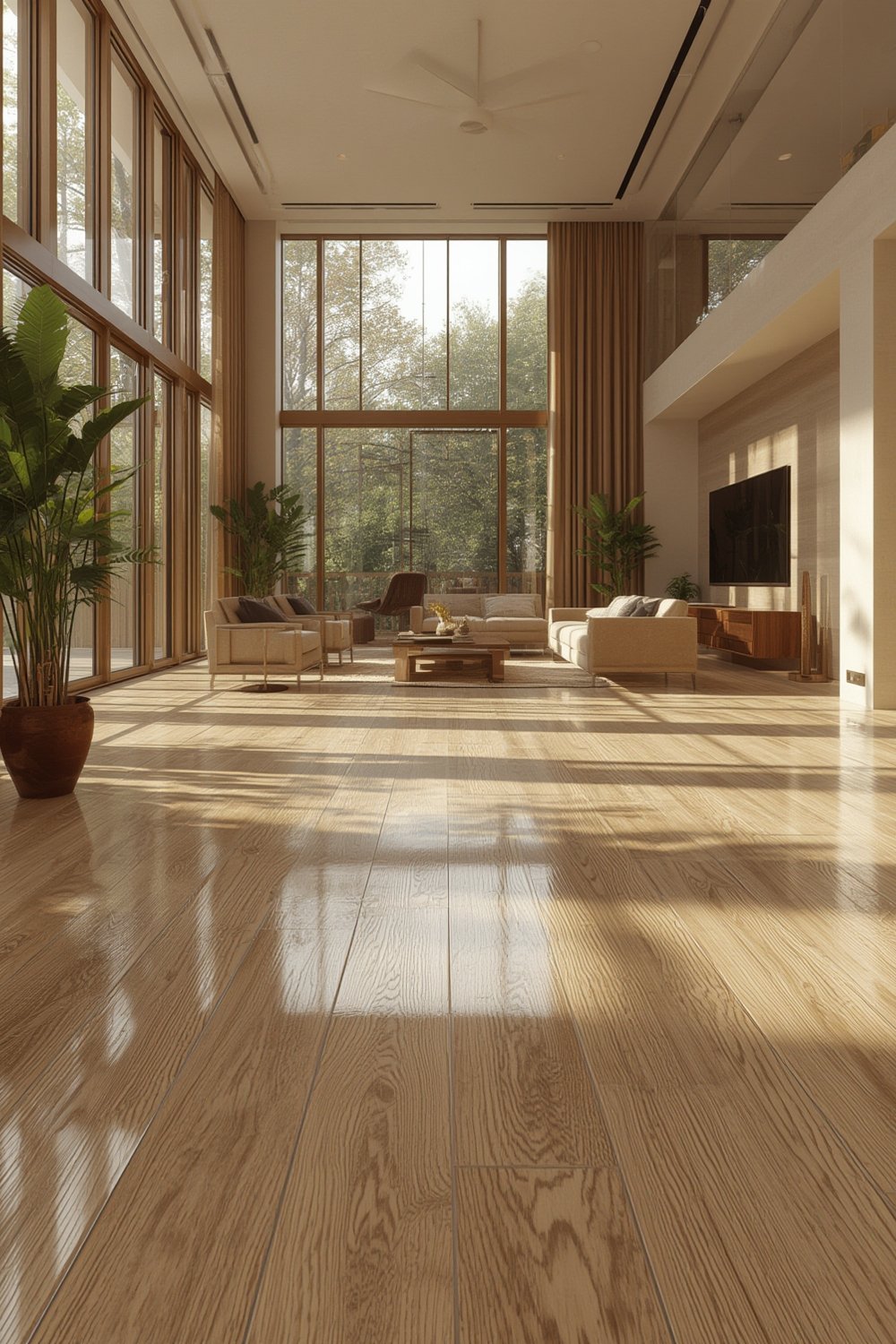
In 2024, the global SPC flooring market reached up to $6.43 billion, with North America leading in adoption—almost 40% market share comes from this region, followed by Europe and Asia Pacific. SPC flooring is now found in more than 90% of new residential projects and continues to expand in healthcare, retail, and education sectors, outpacing traditional vinyl due to its eco-friendly composition and lower total cost of ownership.
If you’re comparing to hardwood or standard LVP, SPC stands out for its ability to handle water, resist dents, and provide reliable performance for busy families and high-traffic commercial environments. For a deeper dive into flooring alternatives—such as waterproof vinyl flooring vs laminate—explore our detailed resource.
Step-by-Step Guide: How to Choose and Install SPC Flooring
Success with SPC flooring starts with choosing the right product, preparing your space, and following best installation practices. Here’s how to make your project run smoothly from start to finish:
- Assess Your Requirements. Measure the space. Consider foot traffic, sunlight exposure, and the subfloor type. If you’re installing in wet areas (kitchens, bathrooms), is vinyl flooring waterproof? highlights why SPC is an optimal solution.
- Select Quality SPC Planks. Look for brands offering at least a 20-mil wear layer, attached underlayment, and a strong locking system. Choose formaldehyde-free, low-VOC options for indoor air quality. If unsure, refer to is vinyl flooring toxic?
- Prepare the Subfloor. Ensure the subfloor is clean, flat, and crack-free. SPC flooring tolerates minor imperfections, but large bumps or dips can cause plank collapse or unlocking. If your subfloor needs significant adjustment, consider a Prepare the Subfloor solution.
- Acclimate the Planks. Let boxes sit in the installation space for at least 48 hours, as per manufacturer guidelines. Temperature variances can cause expansion/contraction if skipped.
- Plan the Layout. Decide on a plank orientation—usually parallel to longest wall or main light source. Stagger seams at least 6 inches for a natural appearance.
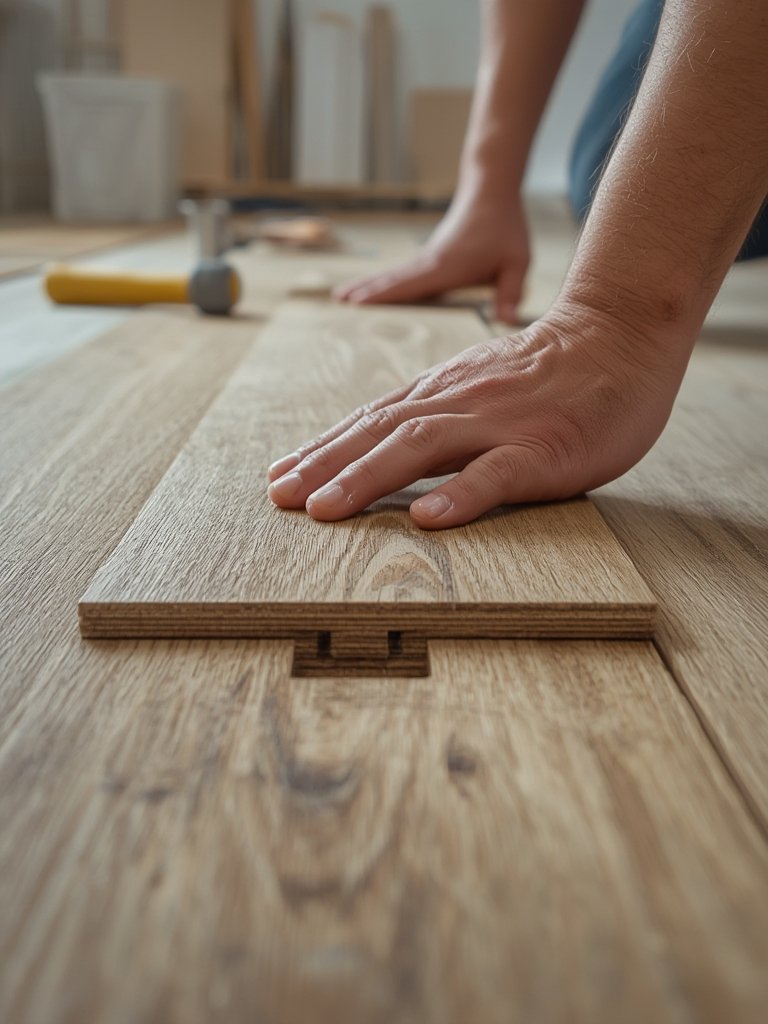
- Install & Lock Planks. Start in one corner, using spacers for expansion gaps. Click planks together by angle and press. Tap gently with a rubber mallet—avoid forcing joints.
- Trim and Finish. Use a fine-tooth saw for cuts around doorways and vents. Complete with matching molding or transition strips for a professional look.
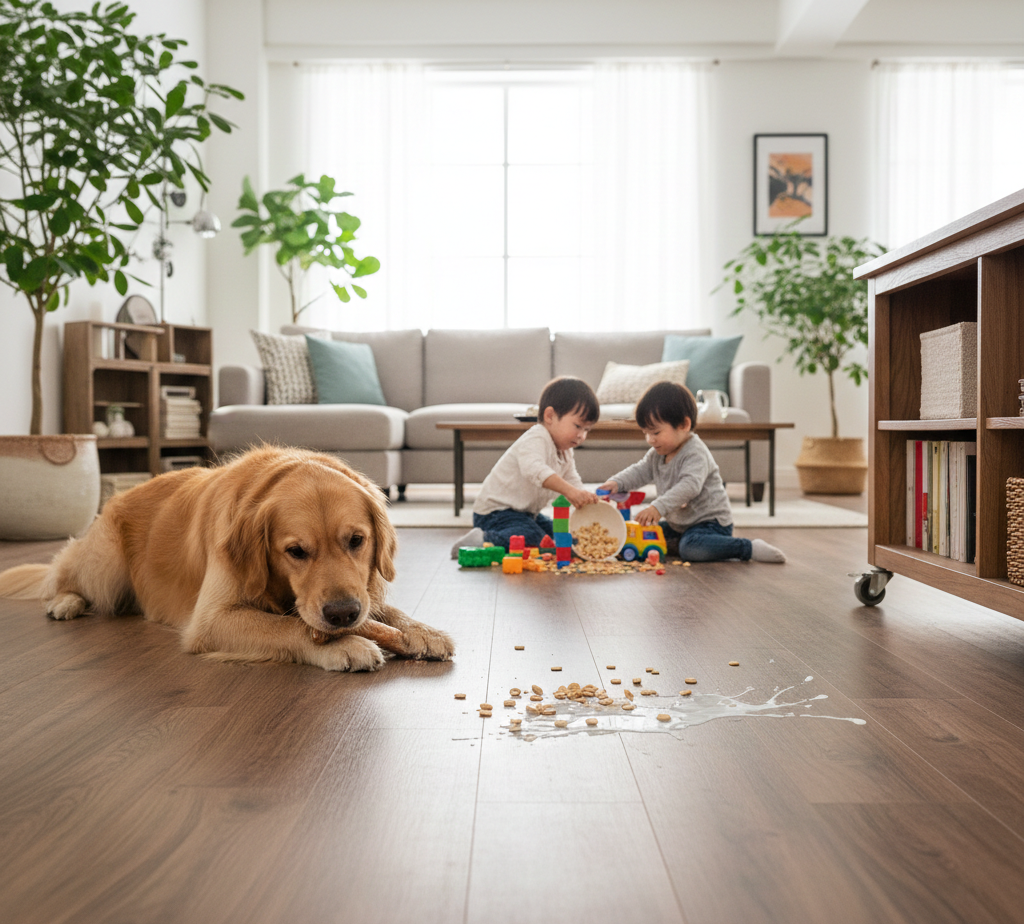
During installation, keep floors clean to prevent trapped debris, and never mop with excessive water (can you mop vinyl plank flooring?). Routine post-install cleaning is simple with sweeping or damp mopping. For long-term quality, read our guide on vinyl flooring with dogs if you have pets or high-activity spaces.
Advanced Analysis & Common Pitfalls
While SPC flooring is marketed as a set-it-and-forget-it solution, buyers should be aware of areas where hard data or transparency is still lacking—even in top reviews and manufacturer literature.
1. No Published Side-by-Side Lab Tests
There are currently no scientific comparisons available between SPC flooring’s scratch resistance, waterproofing, and that of standard LVP, laminate, or engineered hardwoods. Most claims are based on manufacturer info, so approach product promises with a critical eye. Test samples yourself before installation, especially in busy or wet areas.
2. Lack of Transparent Cost Data
2024 research offers no clear cost-per-square-foot comparisons between SPC flooring and traditional vinyl, WPC, or limestone vinyl. Always get multiple quotes on both materials and installation to benchmark value. Pay attention to factors such as thickness, wear layer, brand warranties, and potential hidden charges for trims or subfloor leveling.
| Flooring Type | Waterproof? | Expected Durability | Maintenance Level | Market Share (2024) |
|---|---|---|---|---|
| SPC Flooring | Yes | High | Low | 25% of LVT market |
| Traditional Vinyl | Varies | Moderate | Low | Higher but shrinking |
| Engineered Hardwood | No | High (but needs care) | Moderate to High | N/A (depends on region) |
3. Maintenance and Warranty Ambiguities
SPC is widely labeled as low-maintenance, but specifics on cleaning solutions, care restrictions, and warranty exclusions are not often published. Review brand policies before purchasing, especially for pet or child-heavy households. For more, our deep dive on vinyl flooring vs hardwood discusses longevity and warranty fine print.
4. Installation and Environmental Gaps
Top-ranking resources rarely address environmental impact, off-gassing, VOC emission levels, or practical onsite installation headaches (such as plank locking failure or transitions with uneven subfloors). Consider demanding this data from your supplier or installer. For healthy choices, consult our guide to eco-friendly vinyl flooring.
Conclusion
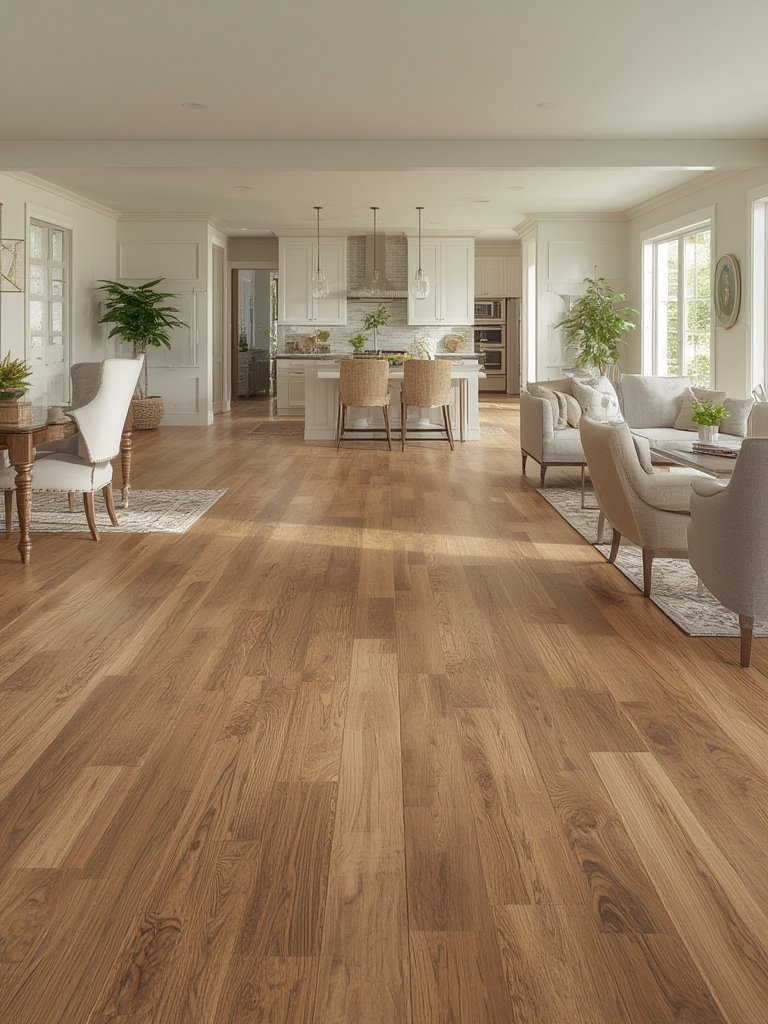
SPC flooring has carved out a dominant place in modern flooring for valid reasons: it’s waterproof, durable, and often less expensive than hardwood or even WPC. But buyers need to look past marketing, ask the right questions, and trial samples whenever possible. Reliable maintenance and clear warranty expectations matter as much as price and style. Ready for a floor you won’t regret? Dive into our in-depth SPC flooring resources—or contact us for custom advice on installing SPC flooring in your next project.
FAQ
Is SPC flooring really waterproof?
Yes, SPC flooring is fully waterproof thanks to its rigid core made from limestone powder and PVC. This makes it ideal for kitchens, bathrooms, mudrooms, and basements.
Will SPC flooring scratch or dent easily?
SPC flooring has a highly durable wear layer that resists most everyday scratches and stains. While it handles foot traffic and pets well, dragging heavy furniture without protection can still cause marks.
How does SPC compare to traditional vinyl or hardwood for maintenance?
SPC requires less ongoing care than hardwood, which needs regular refinishing and specific cleaners. It is similar to vinyl—sweep or damp mop regularly, and avoid harsh chemicals.
What’s the expected lifespan of SPC flooring?
With routine care, quality SPC flooring can last 15 to 20 years or more. Warranty specifics vary, so check the brand’s terms closely before purchase.
Does SPC flooring emit VOCs or dangerous chemicals?
Most leading SPC flooring brands produce low-VOC, formaldehyde-free planks, but always look for certification labels and check data sheets if you have chemical sensitivities.