

Table of Contents
Indoor-outdoor living space design has become one of the most desirable home features in 2024, transforming the way people maximize lifestyle, property value, and everyday comfort. As demand for seamless patios, decks, and functional outdoor rooms rises rapidly, homeowners and renovators face both new opportunities and real challenges.
Key Takeaways
- Indoor-outdoor living spaces are in record demand, boosting home value and everyday enjoyment.
- Climate control, regulatory compliance, and utility extensions are complex—but manageable—with the right planning and materials.
- True seamless transitions require a focus on energy efficiency, structural adjustments, and maintenance to avoid common pitfalls.
The Core Concept: What is Seamless Indoor-Outdoor Living Space?
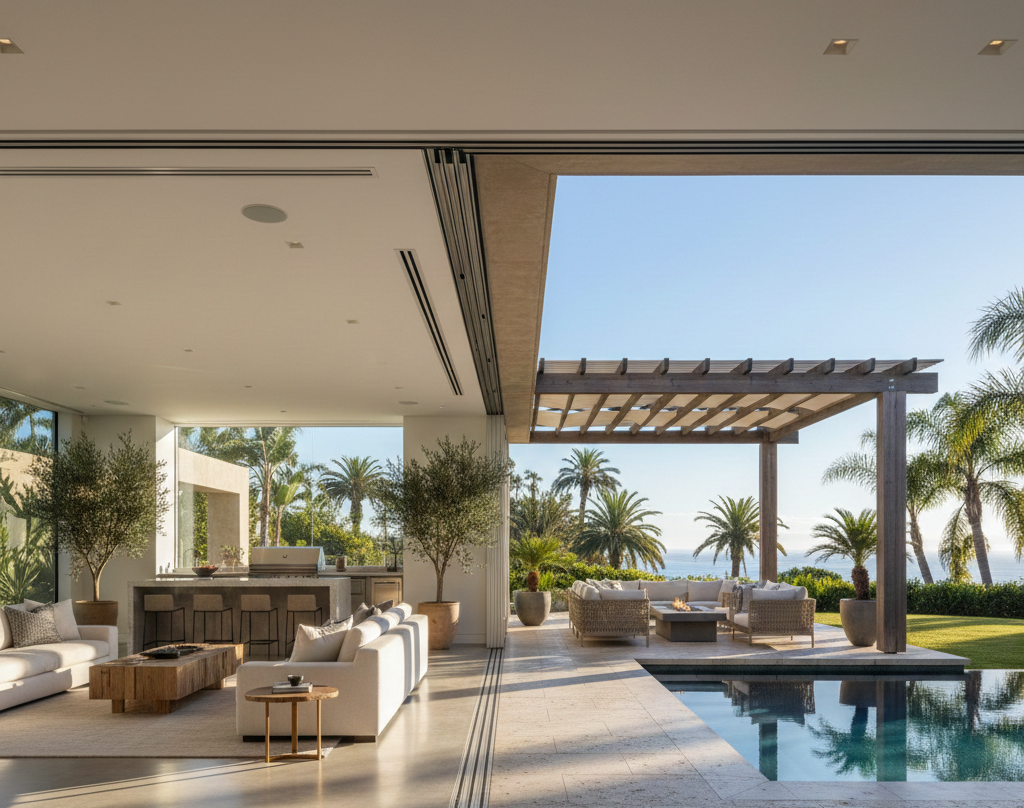
At its core, a seamless indoor-outdoor living space connects your home’s interior with outdoor areas such as patios, decks, or gardens, using architectural and design techniques to blur the boundary between inside and outside. In 2024, this concept underpins many home remodels and new builds, supported by a 50% surge in outdoor space demand since 2020 and strong homebuyer preferences for multi-functional outdoor spaces for hosting, relaxation, and even remote work (source).
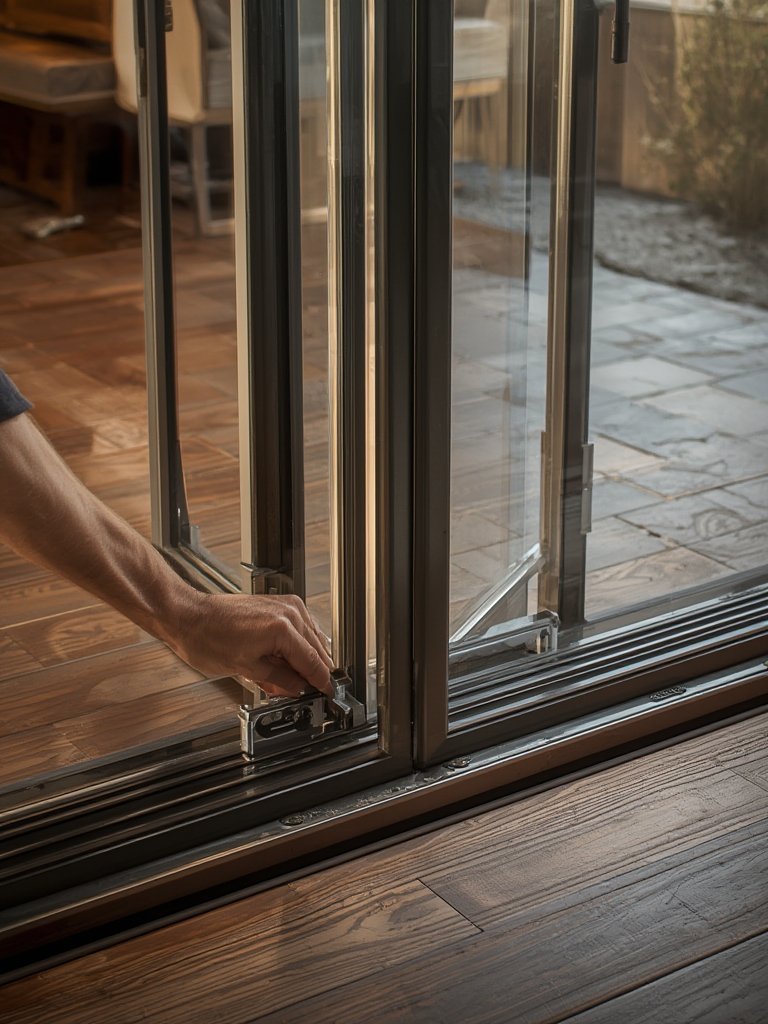
The connection is most often achieved with large Bi-fold or sliding glass doors, level-entry thresholds, matching flooring (such as SPC flooring), and cohesive design elements. Homeowners prioritize features like covered patios with integrated power, outdoor kitchens, and zones for dining or entertaining. According to the National Association of Realtors, 64% of owners aspire to outdoor settings that are relaxing and multi-purpose, and homes with these features can see resale values increase up to 8% (source).
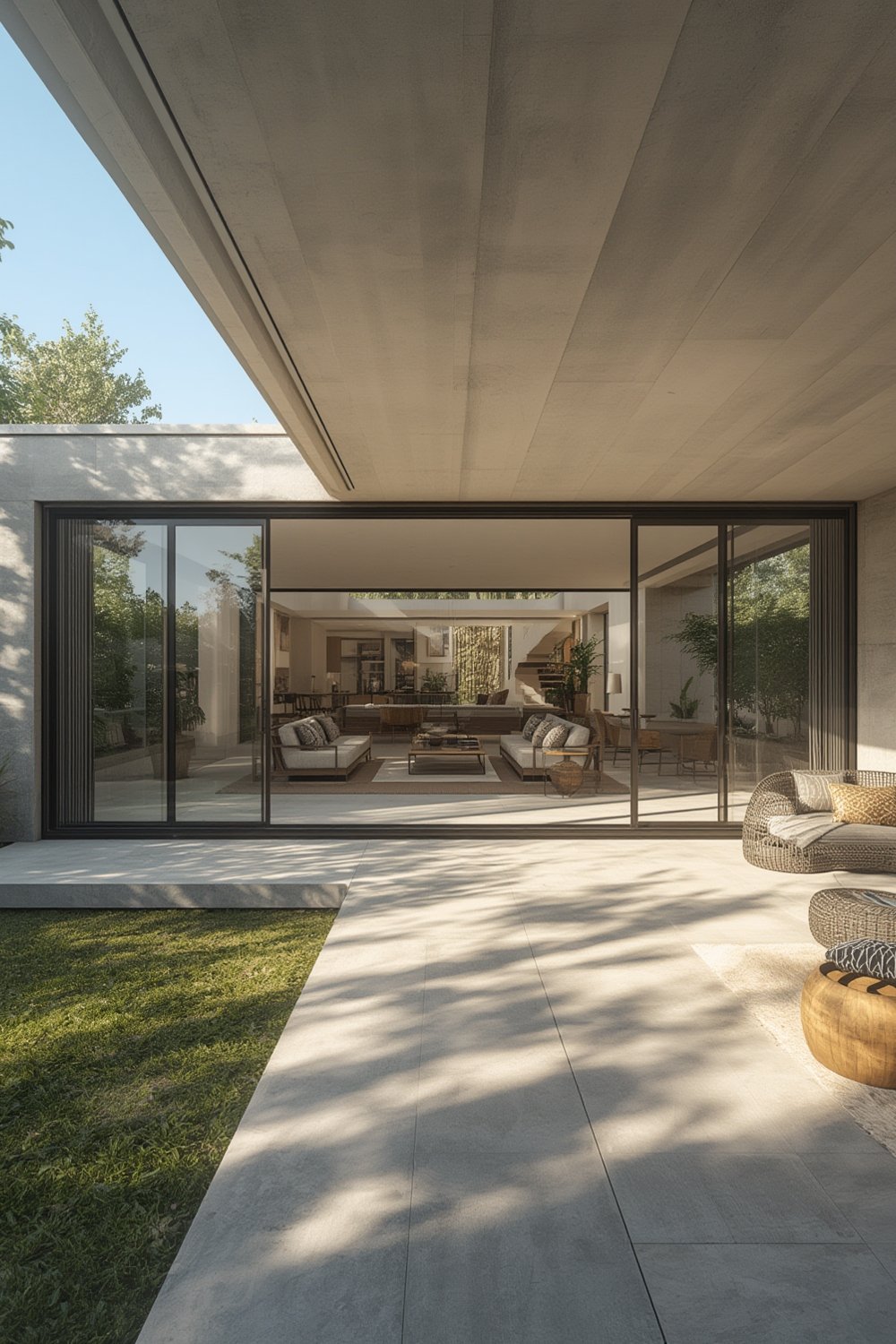
Seamless design is not just about aesthetics. It brings more natural light, flexible entertaining, healthier living through greater access to nature, and can be a wise investment for property value, especially where inventory is competitive, such as in New Jersey (source).
To make the transition truly seamless, successful spaces often incorporate:
- Bi-fold or sliding glass doors for uninterrupted views
- Flooring that continues from indoors outside (e.g., scratch-resistant SPC flooring)
- Outdoor kitchens, covered dining, or relaxation zones
- Integrated lighting, power, and sometimes sound systems
- Smart irrigation or drought-resistant landscaping for easy maintenance
Step-by-Step Guide: Planning and Creating Seamless Indoor-Outdoor Spaces
Creating a functional and attractive indoor-outdoor living space requires careful planning and clear goals. Use these actionable steps to design an area that fits your lifestyle and maximizes return on investment:
- Define your needs and functions. Decide whether your space needs a lounging area, a full outdoor kitchen (butler’s pantry extension), dining, or work zones. Make a priority list based on frequent activities.
- Assess your physical layout and site constraints. Investigate structural wall locations, drainage, and elevation. Check if a porch enclosure or converting an existing space like a screened porch conversion fits your needs with less cost and disruption.
- Work with your climate. If you are in regions with severe winters or humid summers, prioritize weather-resistant materials, covered zones, and energy-efficient windows and doors. Consider retractable or insulated roof structures if you plan to use the area year-round.
- Select materials that blur the boundary. Choose flooring, finishes, and cabinetry materials suitable for both indoors and out. Modern SPC flooring is scratch-resistant, waterproof, and works for both environments seamlessly.
- Plan for utilities and code requirements. Consult with local authorities about permits for adding structural openings, and for plumbing or electrical extensions. Skipping this step can result in costly delays—many homeowners overlook regulatory compliance.
- Integrate energy-efficient and smart features. Install energy-star rated windows where possible and consider solar panels or Smart irrigation systems to reduce running costs and environmental impact.
- Consider privacy and maintenance upfront. Use screens, plantings, or adjustable panels for privacy. Select low-maintenance finishes and drought-resistant landscaping to reduce upkeep year-round.
Throughout the process, reference proven solutions for integrating technology—for example, adding a smart garage door opener can smooth garage-to-yard transitions, while ventless appliances (like an all-in-one washer dryer) avoid complex venting in all-season patios.
Finally, always validate that your chosen products, especially large doors or outdoor kitchens, have robust warranties and climate resistance suitable for your region.
Advanced Analysis & Common Pitfalls
Adapting your home for seamless indoor-outdoor living promises big lifestyle and value gains, but overlooking key technical or regulatory aspects can lead to costly setbacks. Here’s a realistic dive into issues you should anticipate and mitigate:
Common Pitfalls
- Structural Complexity: Enlarging wall openings for sliding or bi-fold doors often requires major headers or reinforcements. Skipping a structural engineer’s assessment can result in future cracking or sagging—and failed inspections.
- Code & Permit Gaps: Plumbing or electrical extensions to outdoor kitchens, heaters, or lighting demand permits and code-compliant hardware. Many homeowners discover code violations only after work is done, delaying occupancy or risking fines (source).
- Climate Snafus: In regions with freezing winters or intense sun, inadequate weatherproofing leads to leaks, condensation, or rotted structures. Low-cost windows or doors lacking thermal breaks result in heat loss, water infiltration, and high energy bills.
- Privacy Trade-Offs: Large glazed doors expose interiors to neighbors. Layer in privacy screening, landscape buffers, or smart automated blinds.
- Maintenance Headaches: Outdoor kitchens and smart systems require regular cleaning, weatherproofing, and system updates. Over-specifying tech or complex water features without maintenance plans leads to headaches and dissatisfaction (source).
- Mismatch of Materials: Using finishes that look good but don’t handle freeze-thaw cycles or UV exposure can cause peeling, cracking, or slippery surfaces.
Quick Comparison Table: Sliding/Folding Glass Door Choices
| Feature | Folding (Bi-fold) Doors | Sliding Glass Doors |
|---|---|---|
| Max Opening Width | Up to 90% | Usually 50-70% |
| Cost (2024 data) | No reliable figures; often higher due to hardware and structure | Typically less, limited by available size |
| Weather Resistance | Requires detailed sealing and drainage | Generally better factory weatherproofing |
| Maintenance | Tracks must stay very clean; more moving parts | Smoother operation, lower upkeep |
Smart, Sustainable, and Low-Maintenance Innovations
- Opt for drought-resistant landscaping and enclosed patio conversion to bridge comfort and eco-savings.
- Use modular decks and kitchens for easier installation—upgrades are less invasive.
- Include weatherproof smart lighting and sensors for both security and energy savings.
Conclusion
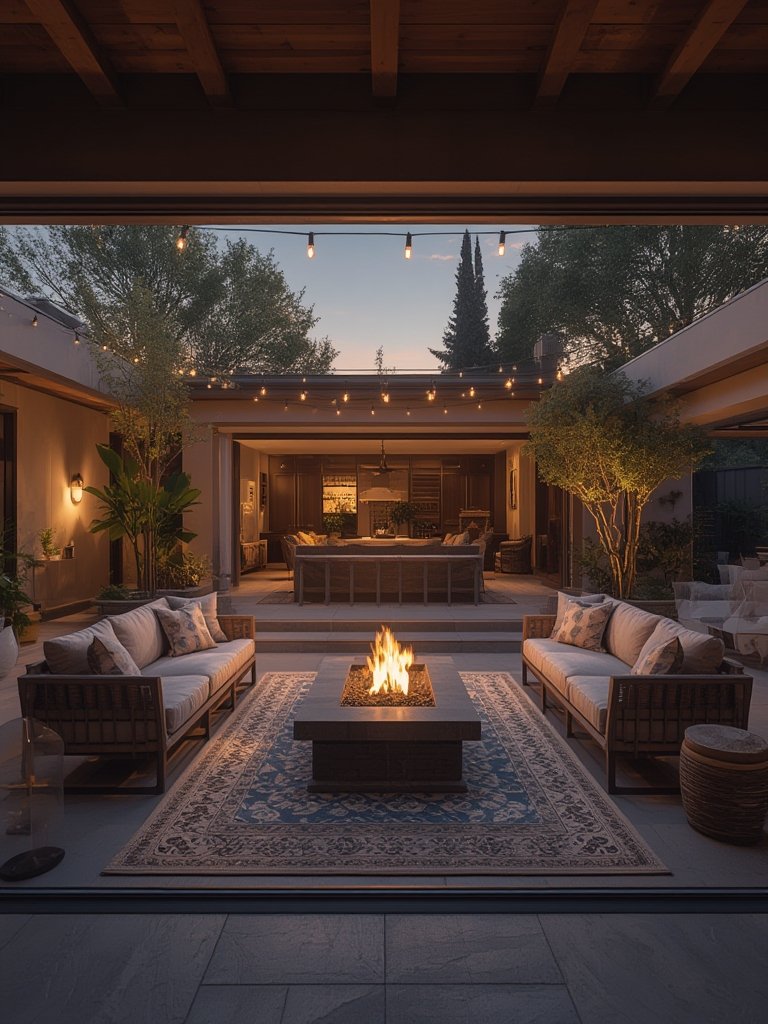
Done right, integrating a seamless indoor-outdoor living space can transform your home’s flexibility, comfort, and resale value. In 2024, demand remains high—but buyers must balance practical realities like climate adaptation, code compliance, and ongoing maintenance to get the dream without stress. By focusing on robust materials, smart planning, and proper utility runs, you’ll create a space that solves for real-world living rather than just looking good in photos.
Ready to start? Assess your space, talk to licensed pros when needed, and leverage proven indoor-outdoor integration strategies—and don’t forget to prioritize your must-have features from smart garage integration to weatherproof flooring. For more on related upgrades, browse our guides to pantry planning and smart garage control to round out your connected home.
Transform your property with a truly modern indoor-outdoor living space—and enjoy year-round living that adds real long-term value. Consult a professional today for a code-compliant, future-ready transformation.
Frequently Asked Questions
Does an indoor-outdoor living space really increase home value?
Yes, according to 2024 data, homes with seamless connections and energy-efficient features can see resale value increase by up to 8%. Demand is highest in competitive markets and among buyers seeking multi-functional outdoor areas (source).
What is the best flooring for seamless transitions?
SPC flooring or rigid-core waterproof vinyl is increasingly popular for both indoor and outdoor transitions. It resists water, scratching, and temperature swings, making it ideal for high-traffic and weather-exposed zones. See our SPC flooring installation guide for more.
Are building permits required for these projects?
Almost always. Enlarging openings for large doors, adding outdoor kitchens, or running new plumbing or electrical circuits typically requires permits and inspections. Check with your local building department early in planning.
What are the biggest mistakes homeowners make?
The most common mistakes are skipping code checks, underestimating costs for utility runs and weatherproofing, and choosing finishes that can’t survive their local climate. Always validate each step against real site and regulatory needs.
How do you handle maintenance for outdoor kitchens and tech?
Opt for covered zones, weather-rated appliances, and modular kitchen kits. Schedule regular cleaning and use smart sensors to monitor status. Consult guides on pantry and utility space planning for integrated prep and cleaning solutions.