

Table of Contents
Key Takeaways
- Home office renovations are rarely the top focus in 2024, though remote work drives steady interest.
- Most homeowners underestimate costs and overlook noise, ergonomics, and real resale value.
- Detailed planning and investing in soundproofing, ergonomic furniture, and built-ins are essential for a useful home office.
The Core Concept: What Makes a Worthwhile Home Office Renovation?
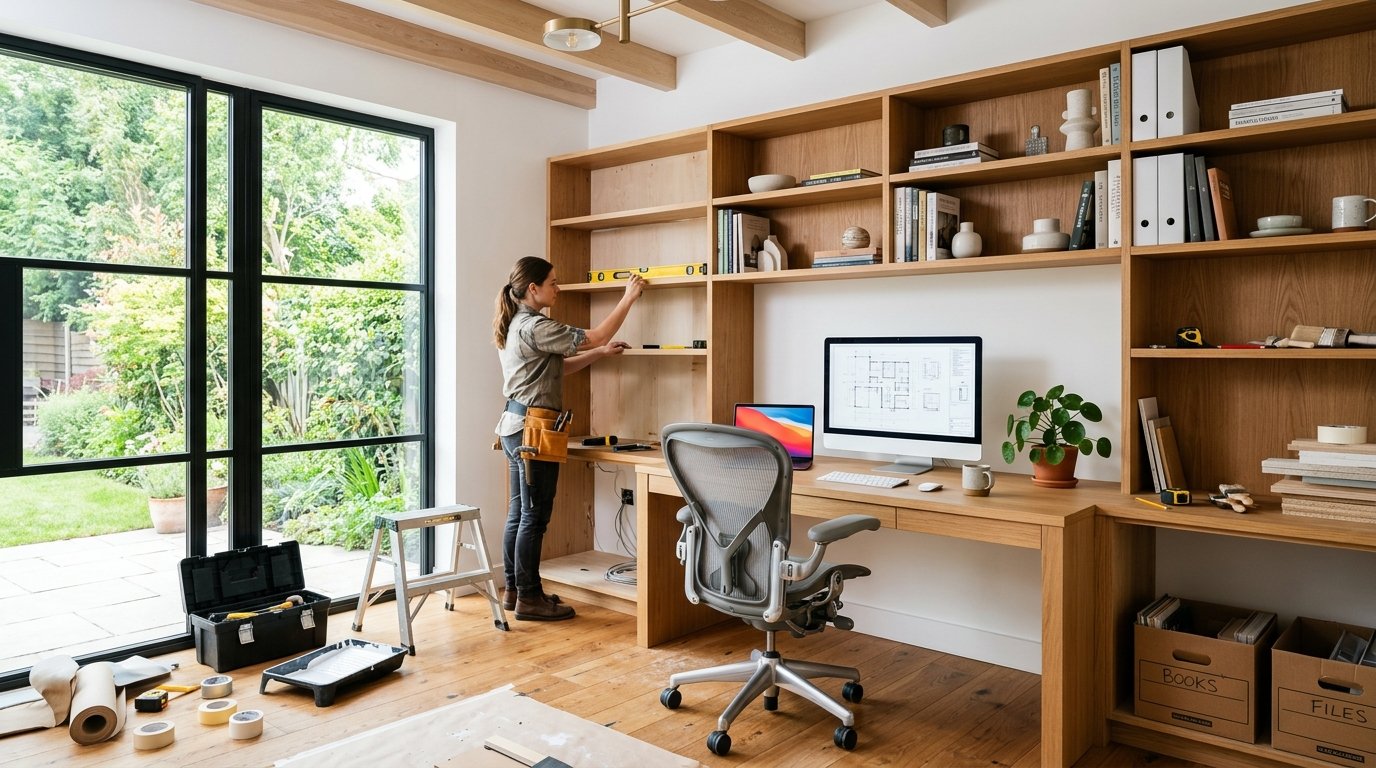
At its core, renovating a home office means transforming a part of your living space—be it a spare room, attic, or basement—into a dedicated, productive area for remote work. Unlike a simple desk in the bedroom, a true renovation involves upgrades such as soundproofing, ergonomic furniture, optimized lighting, storage, and sometimes built-in cabinetry. The goal is to create a personalized, distraction-free environment that boosts focus, comfort, and work-life balance.
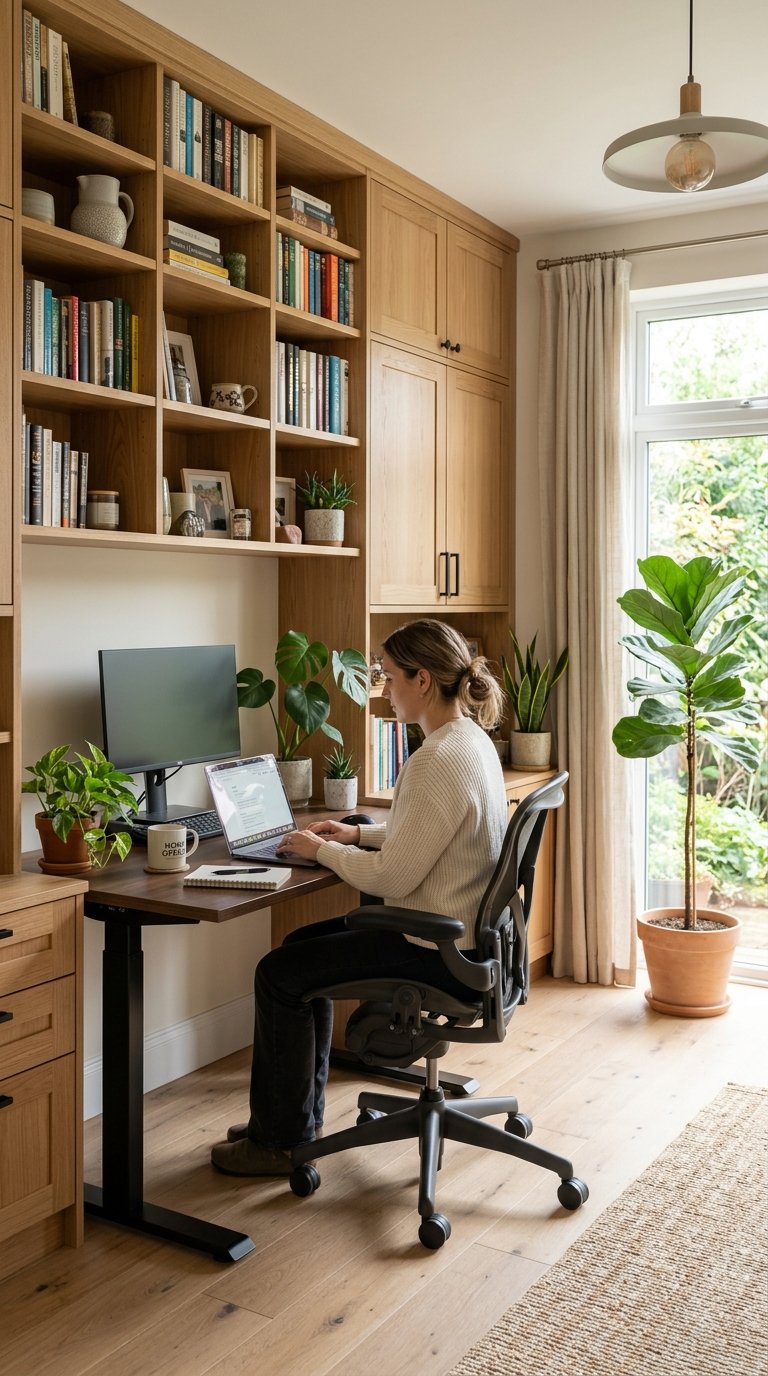
Despite the boom in remote work, kitchens and bathrooms still account for most residential renovations. Many homeowners overlook investing in their workspace, but those who do often report higher productivity and improved well-being—if the office space is set up right. Costs can range widely depending on square footage, finishes, and technology.
Sound control, correct desk heights, and organizational features separate a successful home office from a makeshift one. For small spaces or apartments, creative solutions like custom built-ins or modular SPC flooring (learn more about durable, waterproof SPC options) may be necessary to maximize functionality and comfort.
Step-by-Step Guide: How to Renovate Your Home Office (Practically)
- Assess Your Needs and Set a Realistic BudgetStart by defining your work requirements: Do you need silence for video calls? Storage for equipment? Room for guests? Next, use median 2024 renovation budgets ($15,000–$24,000 across typical projects) as a guide, but plan for the possibility of going over–74% of homeowners experience surprises and regrets mid-project.
- Choose the Right LocationSeparate the workspace from noisy areas and high-traffic zones. Window access improves mood but can introduce glare and distractions—use blinds or shades for control. In apartments, an enclosed porch conversion (see conversion options for added space and light) might provide a climate-controlled, focused setting.
- Plan Layout & Storage—Custom vs. Ready-MadeMap out the flow: prioritize adjustable-height desks and supportive chairs even if no official ergonomic standards appear in reports. Built-in cabinetry offers tailored organization but can cost more upfront. Explore walk-in butler’s pantry style cabinetry (see how niche storage can maximize small offices) for hidden office supplies. Compare budget, durability, and aesthetic closely (details in the next section).
- Ergonomics & Lighting SetupSince no proven specifications are provided in current research, follow general ergonomic guidance: your eyeline should be just above the top of your monitor, feet flat on the floor, wrists straight, and the desk height at or just below elbow level. Avoid blue-tinted lighting; use adjustable, warm LEDs to reduce eye strain.
- Invest in Soundproofing & Smart TechAdd rugs, weather-stripping, mass-loaded vinyl barriers, and insulated drywall if possible—especially if your office borders a noisy area. Door sweeps and acoustic panels also help. For digital peace, upgrade to a smart thermostat (discover smart climate control for consistent comfort) and garage control (smart garage options improve delivery and security while working remotely).
- Finish with Flooring and Surface SelectionQuiet, resilient flooring such as SPC or thick rugs absorb noise and are easy to maintain. Use LVP or SPC flooring (more on LVP durability & installation) if spills, coffee, or pet traffic might be an issue.

Most importantly, document every decision and cost. Internal miscommunications are a top cause of regret and delays. Discuss real, honest needs with every housemate or family member to minimize surprises.
Advanced Analysis & Common Pitfalls
Home office renovation projects stumble into the same traps homeowners face with kitchens and baths—only with some unique twists:
- Underestimating Costs: Lack of reliable cost data for home offices means many DIYers or first-timers overlook must-have expenses like electrical, HVAC upgrades, or ergonomic chairs ($300–$1,200+).
- Poor Soundproofing: Most guides don’t cover that door gaps, hollow-core doors, and shared apartment walls transmit distracting sound, making cheap stick-on foam panels ineffective.
- Lighting Mismatches: Overhead lights cause glare and shadows. Layered lighting (task lights, shelf LEDs) is often missed.
- Compromising on Chair & Desk: Many invest in tech but skip adjustable seating. This leads to discomfort and future medical costs.
- ROI Myths: Most sites overstate resale gains for home offices—with little current market data, unlike hardwood floor or bathroom remodels. Function and comfort should be the top priorities.
- Noise and Smells: Working near a kitchen, laundry (see compact solutions for apartments), or garage invites disruptions unless sound and airflow are managed from the start.
Below is a side-by-side comparison of custom built-ins versus ready-made office setups for context:
| Feature | Custom Built-ins | Ready-Made Solutions |
|---|---|---|
| Cost Range (2024) | $2,000–$15,000+ (varies by size, materials, and labor) | $400–$3,000 (IKEA, Wayfair, big box stores) |
| Durability | High—solid wood, tailored fit, long lifespan | Low–Medium—MDF, particle board, short term |
| Aesthetic Value | Blends into architecture, matches style | Generic, clutters small spaces |
| Resale ROI* | Minimal documented gain (except in luxury homes) | Minimal to none, easy to remove |
| Flexibility | Fixed in place, custom configurations | Easy to rearrange as needs change |
*No 2024 data confirms a direct home office ROI—hardwood and kitchen/bath still offer better resale value (see the data).
Conclusion
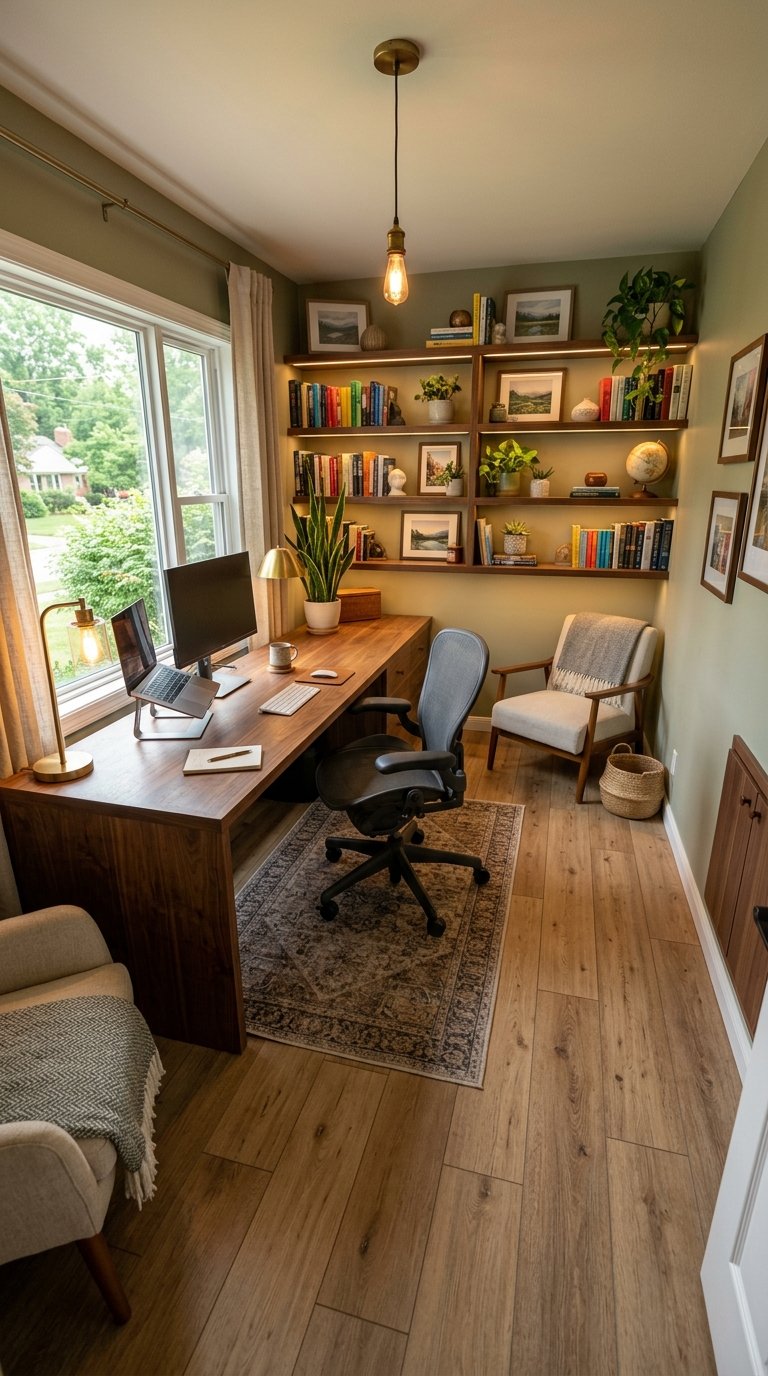
Renovating a home office takes more than picking a paint color or new desk. Homeowners must budget accurately, prioritize soundproofing, and opt for ergonomic furniture over trend-driven built-ins unless they match long-term needs. Few home updates deliver instant ROI, but a well-designed workspace will pay ongoing personal dividends. Approach your home office renovation with realism and a clear, step-by-step plan—and enjoy the comfort and productivity of a truly functional work-from-home space.
Ready to plan your own project or get inspiration? Explore more on integrating office and leisure space or check local contractor reviews before you start. Invest wisely—the right changes will improve your daily routine for years to come.
FAQ
What’s the typical budget for a home office renovation in 2024?
Although no precise data breaks down office-only updates, average home renovations range from $15,000 to $24,000. A basic office update may start around $2,000–$5,000 with upgrades for custom storage and soundproofing pushing into five figures.
Is adding a home office worth it for resale?
Little current data suggests big resale gains for home offices alone. Buyers do value smart use of space, but kitchens and baths remain stronger ROI bets. Focus on personal value and choose modular or flex-use designs if future resale is a concern.
What are the most overlooked parts of home office design?
Soundproofing (door sweeps, mass-loaded vinyl, quality windows), layered lighting, and adjustable ergonomic seating are often skipped—or added after the fact, at higher cost. Test sightlines to windows and power outlet locations before furniture is installed.
How can I make a rented apartment office quieter?
Use rugs and fabric wall art for the floor and walls, temporary acoustic panels, and heavy curtains. Weather-strip the door, and use foldable bookcases as portable barriers. For flexible needs, consider smart garage and porch conversions for extra buffer (see smart garage tips).
Should I go custom or buy ready-made for office storage?
If your space is unusually shaped or small, custom built-ins maximize every inch and hide clutter, though at a higher upfront cost. Ready-made pieces are more budget-friendly and easier to move, but may clash with your home’s design or waste space.