

Table of Contents
Energy efficient windows have become one of the smartest upgrades for homeowners seeking major savings, year-round comfort, and a lasting boost in home value—whether you live in frigid Minnesota or sun-soaked Texas.
Key Takeaways
- Energy efficient windows can cut annual heating and cooling bills by 7-15%, with ROI up to 70% at resale and payback periods as low as 8 years.
- The biggest barriers to adoption are high upfront costs and unpredictable installation expenses, but federal and local rebates can defray costs.
- Choosing properly rated, professionally installed windows is crucial—real-world results vary by climate, window type, and installer skill.
What Are Energy Efficient Windows and Why Do They Matter?
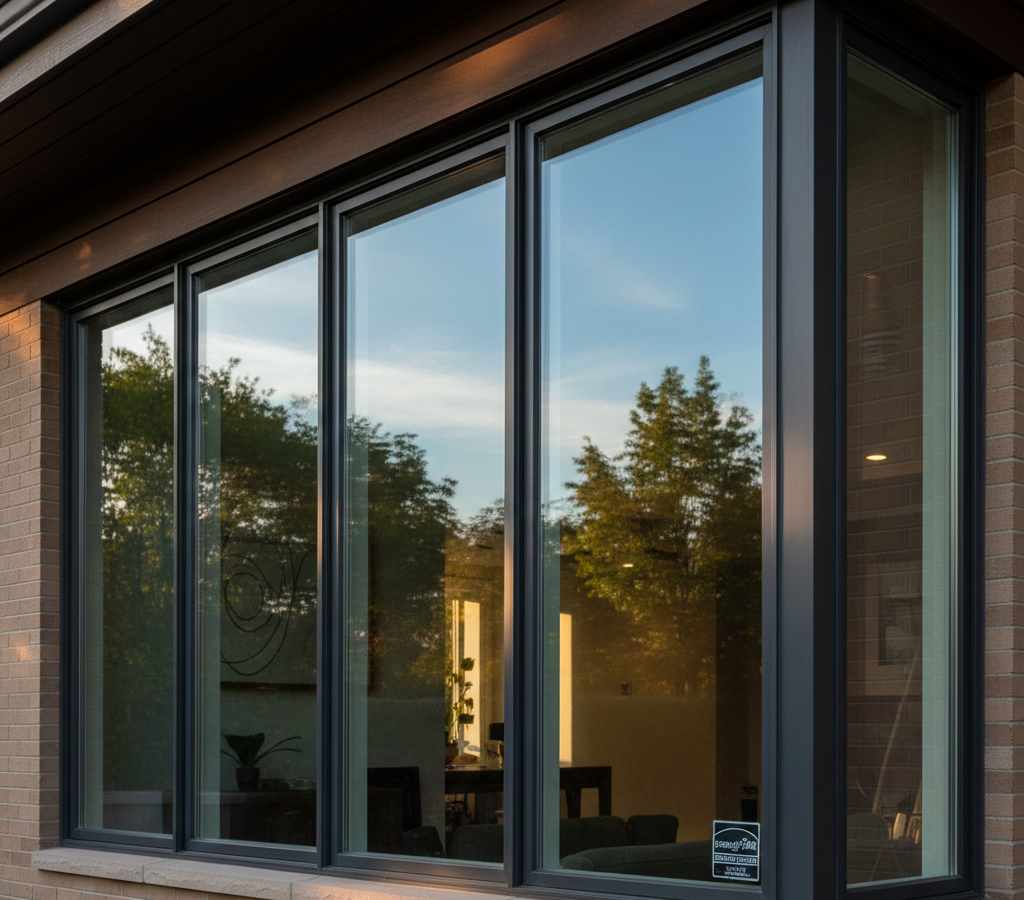
Energy efficient windows use advanced glazing, Low-E coatings, and insulated frames to minimize heat transfer and unwanted air leaks. By reducing wasted energy, they keep your home warmer in the winter, cooler in the summer, and quieter year-round. Triple pane designs and Low-E glass especially outperform older double or single pane units.
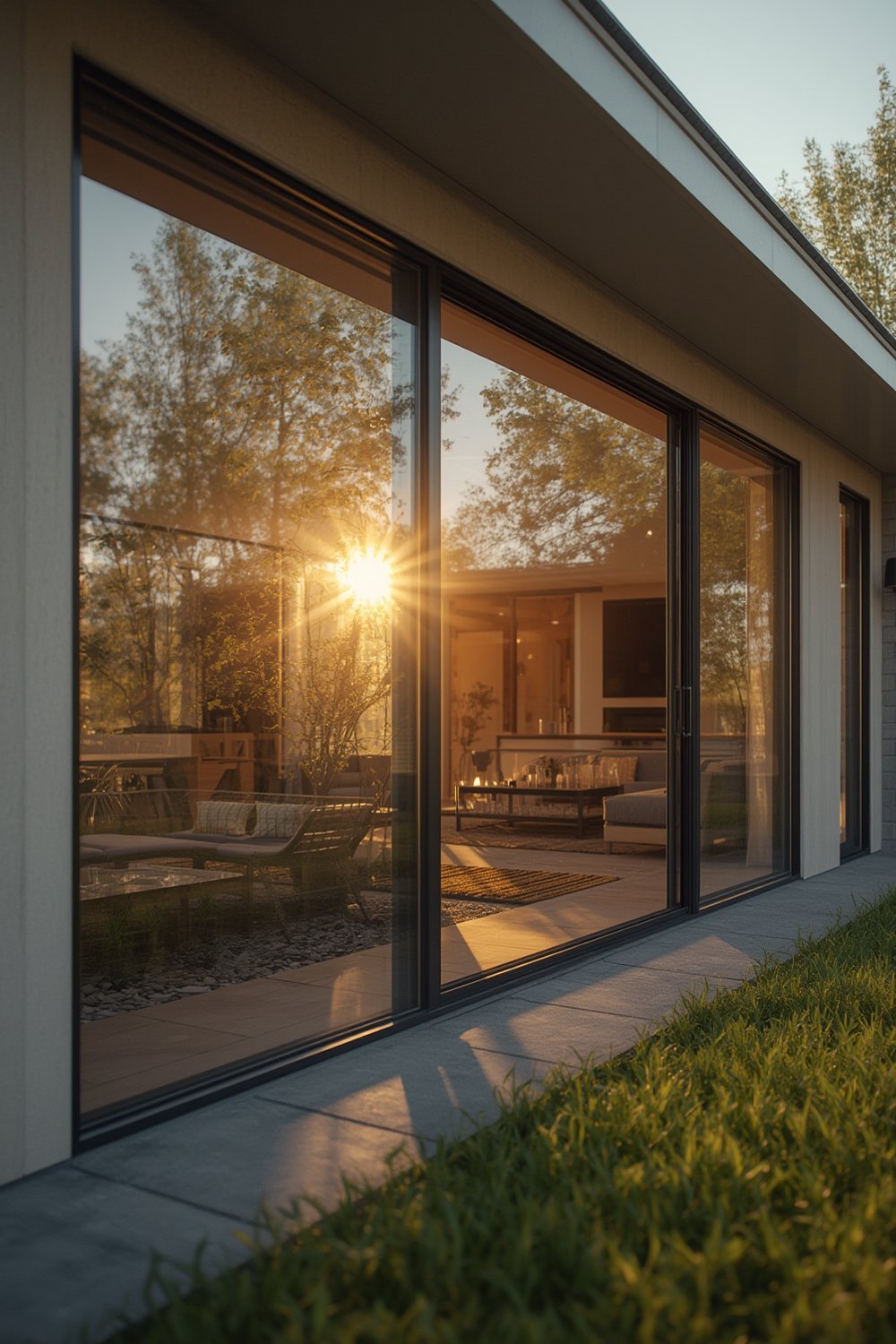
Homeowners replacing single-pane windows with ENERGY STAR certified models typically save 7-15% on annual energy costs—roughly $71 to $501 per year, depending on local climate, window size, and regional utility rates. Over 8 to 15 years, these savings often cover most of the project—especially when accounting for increased home value and lower maintenance. In fact, industry analysis shows a 67-70% ROI, with 65-75% of costs recouped at resale.
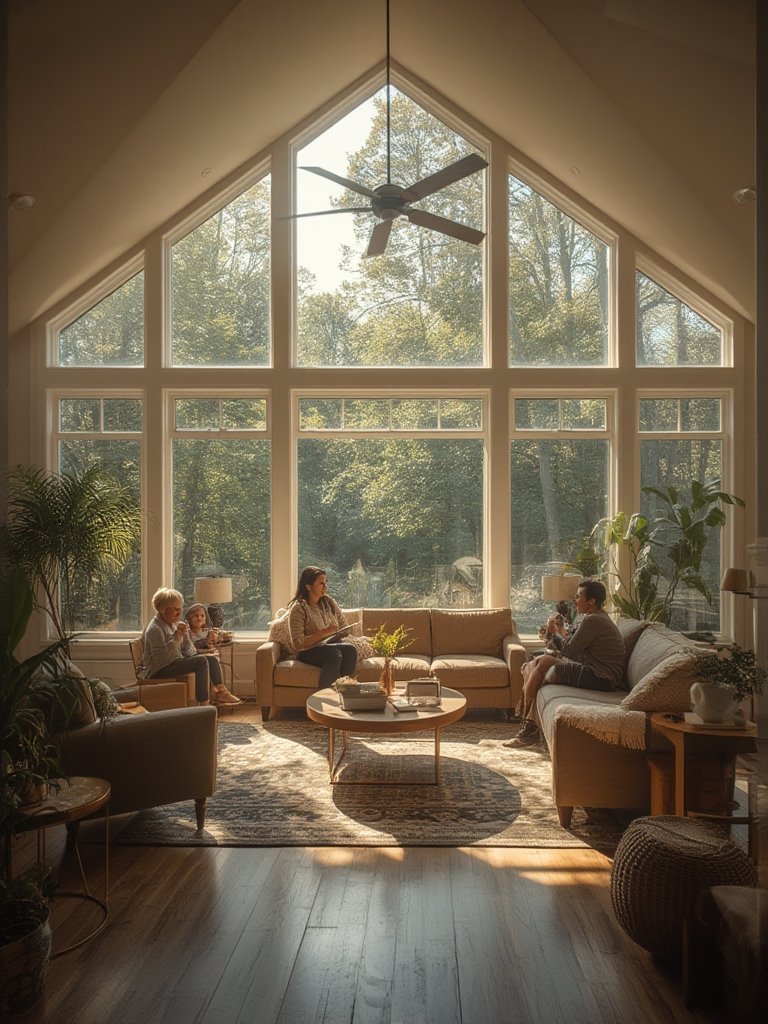
Besides lowering utility bills, these windows boost indoor comfort, reduce greenhouse gas emissions, and even help with noise reduction. For many homeowners, this upgrade can be the difference between persistent drafty rooms and a comfortable, peaceful home—year after year.
States with extreme climates, like the upper Midwest or deep South, see the greatest payback due to increased heating or cooling load. Low-E coatings and multiple panes are especially valuable in those environments, further slashing energy loss and utility bills.
For more on the financial side, see this comprehensive ROI breakdown and ENERGY STAR’s latest 2024 energy savings research.
How to Upgrade: Step-by-Step Guide
- Assess your current windows. Identify drafts, condensation, cracked glass, poor locks, or visible rot. ENERGY STAR or thermal imaging audits can highlight problem areas.
- Research window types for your climate. In northern zones, prioritize low U-factor (≤0.27) triple pane and wood/vinyl frames. In hot, sunny climates, choose windows with a low Solar Heat Gain Coefficient (SHGC ≤0.23) and Low-E glass for UV reflection.
- Factor in rebates and credits. Use the federal tax credit (30% up to $600 per year, extended through 2032), local utility company rebates, zero-interest loans, and state efficiency programs. Read the official eligibility requirements on the ENERGY STAR rebate page.
- Get multiple professional quotes. Many projects exceed $2,000 per window installed for triple pane or most efficient Low-E options. Get at least three written bids—ask about labor, warranty, lead times, and disposal of old windows.
- Choose a certified installer. Look for window installers accredited by the manufacturer and check their online reputation. Avoid the cheapest bid if it means cutting corners—bad installation erases most efficiency gains.
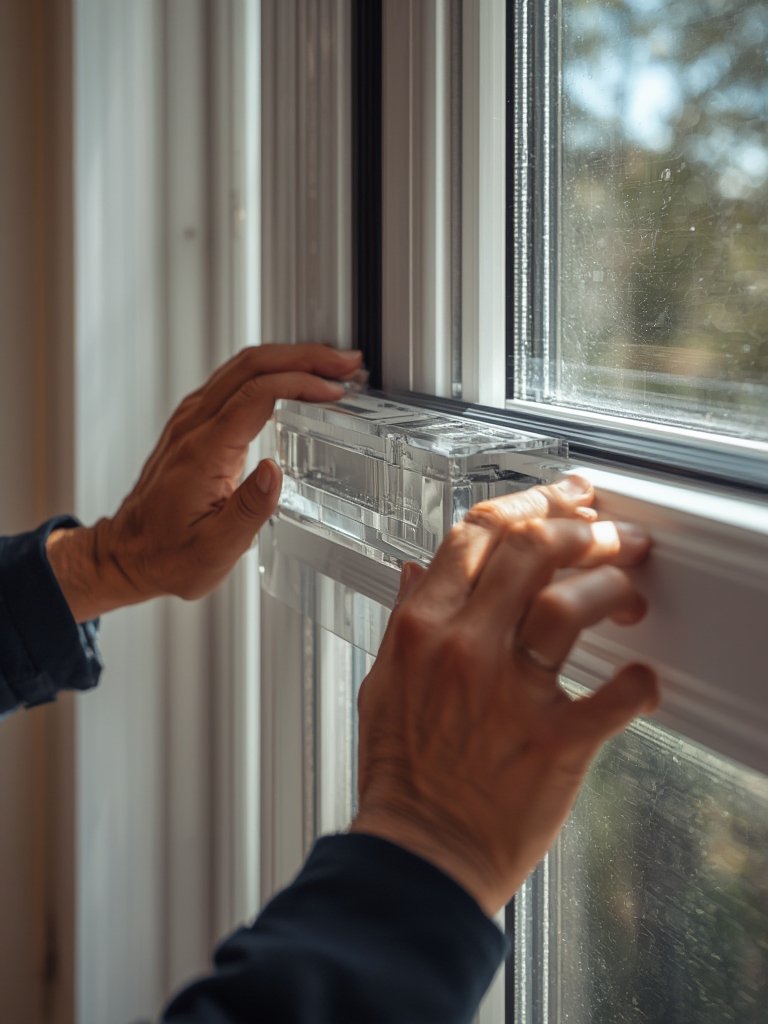
- Plan for the upgrade. Clear work areas, protect flooring and furniture, and plan for some disruption (dust, noise). Most full-home window projects are done in 2-4 days.
- Register warranties and finalize rebates. Save receipts, register with the manufacturer, and file for credits or rebates promptly. Many rebates require proof of ENERGY STAR or local standard compliance.
For more quick wins and advanced strategies, see related high-ROI home projects:
- Smart garage door openers for added security and energy savings.
- Ventless washer dryer combos that fit small energy-efficient layouts.
- SPC waterproof flooring for additional insulation and hassle-free maintenance.
Advanced Analysis & Common Pitfalls
While the technology behind energy efficient windows is sound, homeowners often face several practical problems. Awareness of these challenges can prevent expensive mistakes and frustration.
- High upfront price: Even after rebates, premium triple pane or custom casement windows with professional installation can easily run $2,000 or more per unit. Unexpected costs—like structural adjustments—sometimes pop up mid-project.
- Installation issues: Bad installation erases energy savings. Poor flashing, misaligned sash, or shoddy caulking allow drafts and leaks, negating investment. Only use certified installers and demand a clear post-install inspection.
- Overpromised noise reduction: While triple glazing helps, the biggest soundproofing gains require air-tight frames, good seals, and sometimes additional sound-damping layers. Real-world noise performance varies, especially with existing wall/floor gaps.
- Variable durability: Some window frames (especially cheaper metal or low-grade vinyl) are vulnerable to warping, fading, or thermal expansion. Premium units from reputable manufacturers tend to deliver better performance and fewer long-term maintenance headaches.
- Poor rebate navigation: Many homeowners fail to claim all eligible rebates or miss required paperwork. Start rebate research before you shop, and keep all documentation for up to three years.
| Window Type | Typical U-Factor | Energy Savings | Noise Reduction | Installed Cost Estimate (2024) |
|---|---|---|---|---|
| Double Pane, Low-E | 0.27-0.30 | 12% vs. poor windows | Moderate | $1,000-$1,800 |
| Triple Pane, Low-E | 0.20-0.25 | 15%+ in cold/hot zones | High | $1,750-$2,500 |
| Casement Thermal Frame | 0.22-0.29 | Similar to triple pane | High (with good seals) | $1,200-$2,400 |
*Actual pricing varies by region, window size, custom features, and installer. $600 tax credit from the Inflation Reduction Act may apply to qualifying ENERGY STAR models.
Expert studies confirm: triple pane with Low-E glass and insulated frames consistently outperform legacy windows, but only if quality is matched by expert installation. In regions with extreme weather, the investment returns are highest.
Manufacturers are also innovating around durability—seek options with reinforced weatherproof frames and non-corrosive hardware. For a deep dive on frame and glazing materials, see this industry analysis.
Finally, don’t overlook related upgrades—adding an enclosed porch conversion or investing in indoor-outdoor living spaces can both enhance comfort and maximize return on energy efficiency projects.
Conclusion
Energy efficient windows represent one of the best-value home improvements for both immediate comfort and long-term savings. The right combination of modern triple pane, Low-E coatings, and professional installation delivers up to 15% cuts in energy bills and tangible day-to-day comfort improvements.
If you’re ready to boost your home’s value and comfort, research your climate zone, get multiple quotes, and leverage every available incentive—then enjoy quieter, draft-free rooms all year long with your new energy efficient windows.
Ready for quotes or more advice? Start your planning today.
Frequently Asked Questions
How much can I really save by installing energy efficient windows?
Most homeowners will save 7-15% on heating and cooling bills, equaling anywhere from $71 to $600 per year depending on climate, window size, and energy rates. Savings are highest when replacing single-pane or older metal windows in extreme climates. Actual savings depend on proper installation and insulation standards.
Are there any government rebates or tax credits for new windows?
Yes. The Inflation Reduction Act offers a 30% federal tax credit up to $600 per year on ENERGY STAR “Most Efficient” certified windows. Many local utilities and states also offer cash rebates. Always check rebate eligibility before purchasing to avoid missing out.
Is it worth paying extra for triple pane or Low-E glass?
In areas with very cold winters or hot summers, triple pane with Low-E glass provides noticeable benefits: lower bills, better comfort, and improved noise reduction. In mild climates, double pane with Low-E may be sufficient and more cost-effective.
How do energy efficient windows affect indoor air quality?
Well-installed energy efficient windows minimize air leakage, reducing dust, allergens, and pollutants from outdoors, while maintaining healthy ventilation. Proper window selection and fit matter—paired with adequate home ventilation systems, they can improve overall indoor air quality.
What’s the biggest mistake homeowners make when replacing windows?
The most common problems are selecting the wrong window type for their climate, hiring unqualified installers, or failing to claim available credits/rebates. Rushed projects or poor installation can sacrifice both efficiency and comfort gains.