

Table of Contents
Spa bathroom remodel projects are transforming ordinary bathrooms into personal wellness retreats—and more homeowners than ever want in. Whether you crave a hotel-style oasis or need a strategic ROI boost, understanding the real numbers, costs, and steps is crucial before you start swinging a hammer.
Key Takeaways
- Spa bathroom remodels are booming, with the North America bath remodeling market hitting USD 72.23 billion in 2024 and ROI for U.S. projects between 56% and 80%.
- Costs rise quickly for luxe features—expect $23,000-$60,000+ for high-end renovations; actual gains depend on updates, design execution, and avoiding common planning pitfalls.
- Most articles miss critical steps: homeowner regrets, itemized costs, integrating cutting-edge wellness tech, and code/accessibility compliance. This guide fills in those gaps.
What Is a Spa Bathroom Remodel & Why Are They So Popular?
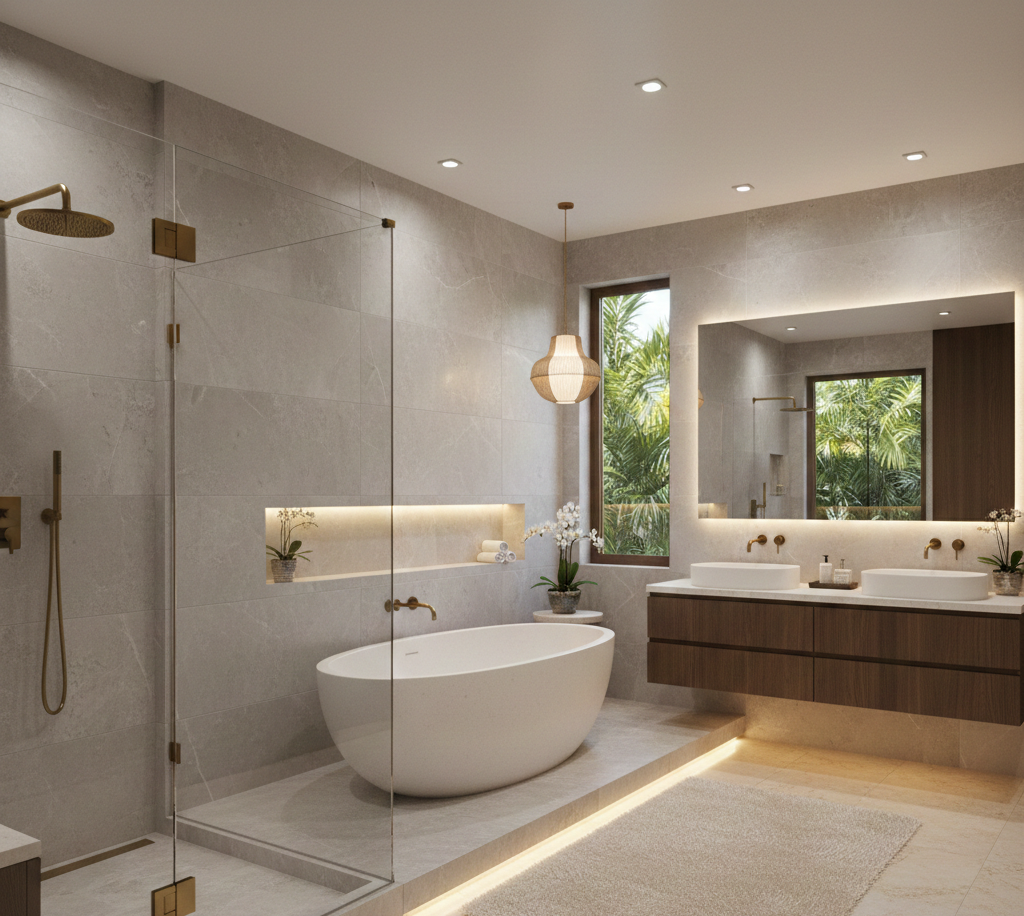
A spa bathroom remodel is a renovation project that transforms a traditional bathroom into a wellness-oriented sanctuary. It uses calming materials, open layouts, and advanced amenities—think soaking tubs, rainfall showers, and in-floor heating—to mimic the soothing atmosphere of a luxury spa. The goal: daily relaxation, stress relief, and even increased home value.
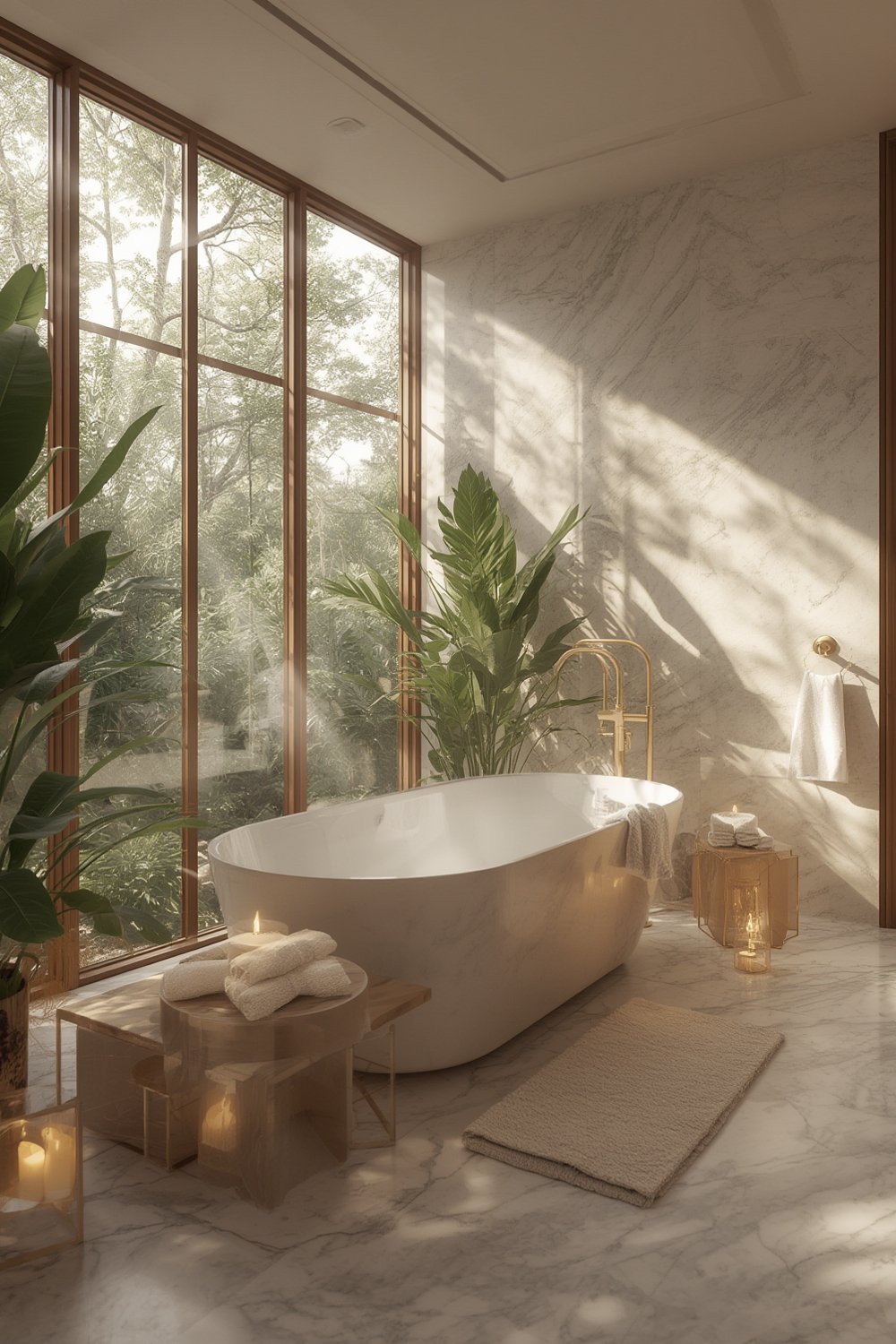
Demand for wellness spaces is surging. In 2024, the North America bath remodeling market reached USD 72.23 billion. Mid-range U.S. bathroom remodels average a 65% to 80% return on investment (source). Upscale projects fetch lower ROI (45%-56%), but for many, daily luxury is worth the spend. Homeowners are prioritizing self-care and value, especially after years of unpredictable living and work-from-home demands.
If you’re planning any home upgrade, a spa bathroom remodel can deliver both personal satisfaction and practical ROI if you design smart. Before you start, get clear on costs, sequence, and the real experience—this guide shows you how.
Interested in other high-impact renovations? Explore how enclosed porch conversions and butler’s pantry upgrades are reshaping today’s homes.
Step-by-Step Spa Bathroom Remodel Guide
- Define Goals and Budget
- List your must-haves (e.g., soaking tub, wet room, heated floors), nice-to-haves, and the maximum you’re willing to spend.
- Use real numbers: High-end spa remodels typically cost $23,000-$35,000, with gut jobs hitting $60,000 or more (source).
- Factor in a buffer (at least 10%) for unforeseen issues or upgrades.
- Audit Your Existing Layout and Infrastructure
- Check plumbing and electrical placement. Major moves add cost fast.
- Measure for features like walk-in showers (best ROI) and large tubs—tight rooms may need smart compromises.
- Plan the Wellness Features That Matter
- Consider impact vs. cost for each feature:
- Heated floors: Luxury touch, but lower ROI (40%-50%).
- Soaking tub or wet room: High appeal, but only if space allows.
- Lighting and sound: Dimmer lights and wireless speakers are affordable wellness wins.
- For more on waterproof, low-maintenance flooring see our SPC flooring guide.
- Consider impact vs. cost for each feature:
- Select Materials for Comfort & Durability
- Choose slip-resistant tile, quartz counters, and water-resistant cabinetry.
- Avoid porous natural stones in wet zones if low maintenance matters to you.
- Integrate Smart and Wellness Tech
- Smart showers (programmable temperature, preset settings), chromotherapy LED lighting, and in-shower audio boost the “spa” feel—but require up-front planning for compatible wiring or app-integration.
- To enhance home automation, check out our smart thermostat upgrade guide.
- Ensure Accessibility and Compliance
- Install grab bars, curbless entries, bench seating, and lever handles for future-proofing, even in modern spa designs.
- Research your region’s residential building codes—minimum ventilation, waterproofing standards, and electrical outlets by showers can all trigger design changes late in the process.
- Sequence Construction for Zero Headaches
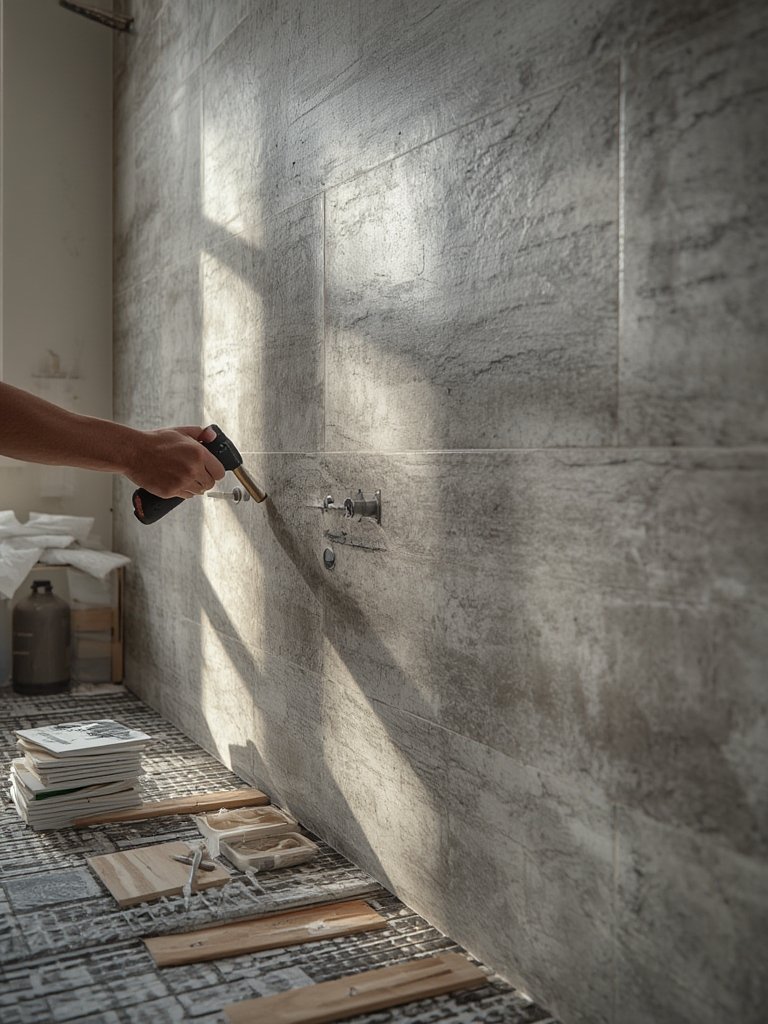
- Demo, rough plumbing/electrical, waterproofing, tiling, fixture install, then final detail work—cut corners here, and problems follow.
Bonus strategy: If your remodel is part of a bigger home refresh, seamlessly link wellness upgrades between spaces. For example, add a calming indoor-outdoor living area or invest in energy efficient windows in your bathroom for quiet and comfort.
Advanced Analysis & Common Pitfalls
Even experienced homeowners get tripped up by spa bathroom remodels. Below are the most common issues, drawn from the latest ROI studies, industry feedback, and real-life reports:
- Blowing your budget: Many underestimate the costs of moving plumbing, upgrading insulation, or splurging on specialty fixtures (e.g., smart showers).
- Ineffective layouts: Small bathrooms can become cramped or dysfunctional after adding large tubs or multiple “must-have” features. Always sketch to scale.
- Low ROI on luxury extras: Heated floors and aromatherapy devices are nice but rarely recoup costs at resale (source).
- Missed code/compliance requirements: Incorrect breaker types for steam showers, lack of GFCIs, or poor ventilation can force expensive do-overs.
- No plan for future needs: Ignoring accessibility now (grab bars, curbless showers) means expensive changes later if you intend to age in place.
- Wellness “overkill”: Too many spa features can crowd small spaces and break the serene feeling you’re after.
- Not vetting your contractor: Specialized layouts and waterproofing require real expertise—not every pro can deliver hassle-free results.
| Spa Feature | Avg. Cost Impact | Typical ROI | Hidden Downside |
|---|---|---|---|
| Heated Floor | $2,000-$7,000+ | 40-50% | Complex electrical install; low resale impact |
| Soaking Tub | $2,500-$8,000+ | Varies (space-driven) | Space hog; not all buyers use tubs |
| Rain Shower / Wet Room | $3,000-$12,000+ | 75-85% (source) | Requires new waterproofing and drains |
| Smart/WiFi Shower | $700-$2,000+ | Unproven | Can become obsolete; needs app updates |
| Aromatherapy | $200-$2,000 | Minimal | Novelty fades fast |
Before locking any feature, always ask: will you use it every week? Will it help future-proof your home? How much value—or inconvenience—will it add for the next owner?
Conclusion
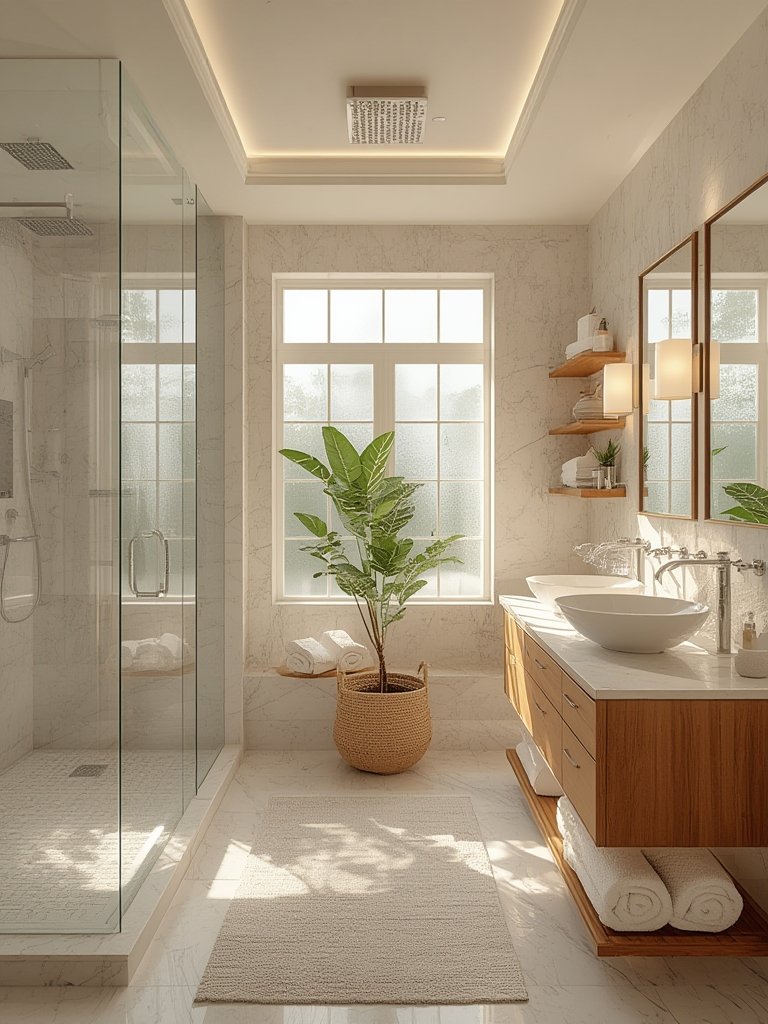
Whether you crave tranquility, resale value, or a dramatic style upgrade, a spa bathroom remodel is one of the most rewarding (and complex) home investments you can make. Costs and ROI vary—from $23,000 for a modest upgrade to $60,000+ for a full gut—so focus on features that truly matter to your wellness and budget. Avoid common mistakes by designing intentionally, planning for code and accessibility, and vetting your pros with care.
Ready to create your retreat? Plan your spa bathroom remodel today and transform daily routines into restorative rituals. Need more inspiration? Explore our guides on integrating smart technology, or discover how the latest laundry upgrades can complement your new bathroom environment.
FAQ
What’s the average ROI on a spa bathroom remodel in 2024?
ROI depends on your region and project scale. In the U.S., mid-range bath remodels average 65%-80% ROI, with upscale projects closer to 45%-56%. Pacific and New England regions see the highest returns, up to 91% for mid-range updates (reference).
How much does a high-end spa bathroom remodel cost?
Cost varies widely. Expect $23,000-$35,000 for a luxury upgrade, and $40,000-$60,000+ for a gut remodel with premium features (source). Itemized costs for features like soaking tubs or heated floors depend on selections and size.
What feature delivers the highest resale value?
Walk-in or wet room showers provide top ROI (up to 85%), thanks to universal accessibility and broad buyer appeal. Oversized tubs and smart tech have less impact on resale, so prioritize based on your needs.
Are bathroom wellness tech upgrades easy to retrofit?
Some (LED lighting, portable diffusers) are, but built-in chromotherapy, smart showers, and in-duct air purifiers require significant expert installation. Plan up-front to avoid rework costs.
Do I need to worry about codes and accessibility?
Absolutely. Codes cover ventilation, electrical safety, and waterproofing. Integrating curbless showers, grab bars, and low-threshold entries helps your remodel meet evolving accessibility needs—and may prevent costly changes later.