

Table of Contents
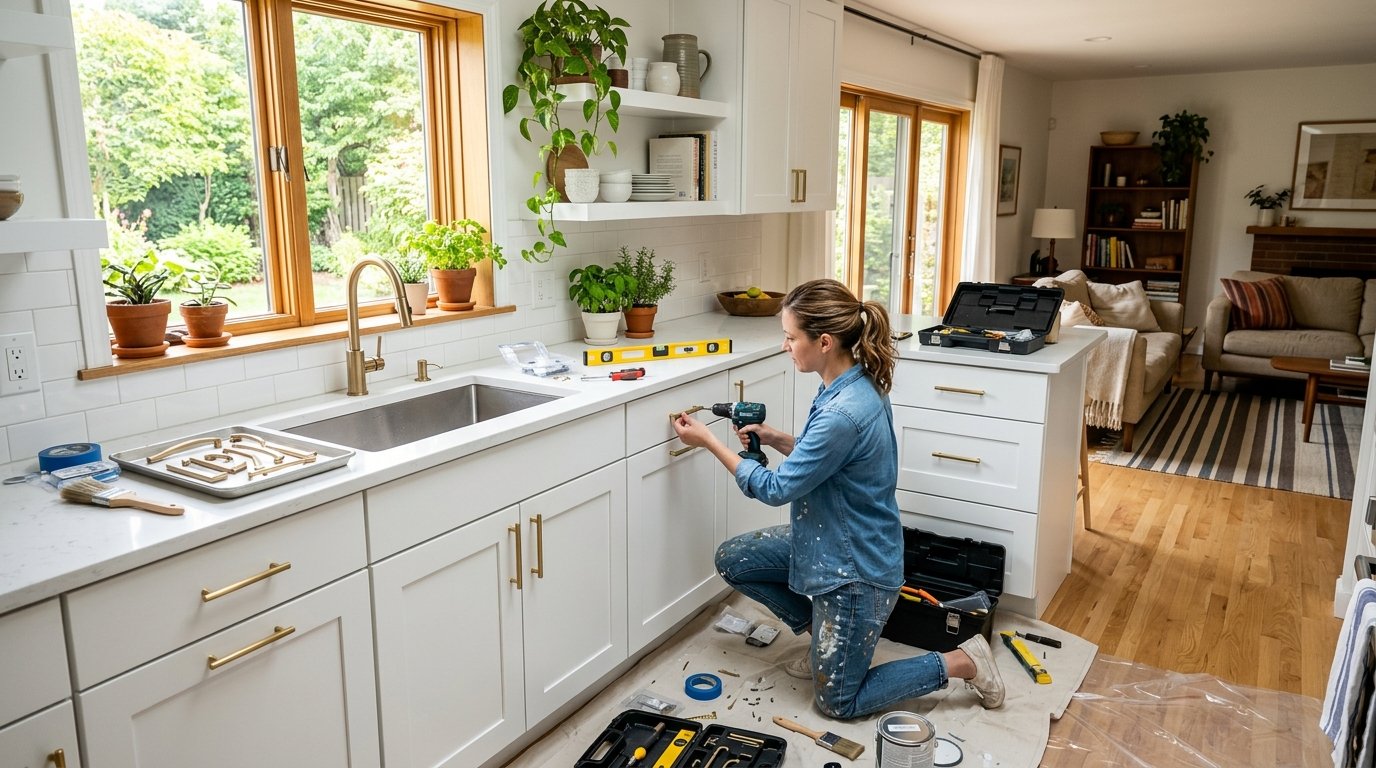
DIY home improvement projects are the go-to solution for beginner homeowners looking to refresh their living spaces, save money, and boost satisfaction—all without calling a contractor. Whether you want quick, high-impact upgrades or practical fixes on a budget, DIY can deliver stunning results, but only with the right preparation and realistic expectations.
Key Takeaways
- Beginner-friendly DIY home improvement projects under $100 can transform a space quickly and build homeowner confidence.
- Preparation and the right materials are critical to avoid common pitfalls like tool mismatches or poor results.
- While DIY offers strong visual impact and savings, some tasks require patience, safety steps, and realistic expectations on skill level.
What Are DIY Home Improvement Projects and Why Try Them?
DIY home improvement projects are weekend or short-term upgrades you can do yourself, often requiring only basic tools and supplies. They’re driven by the desire to save money, personalize your space, and gain instant visual satisfaction. Even without official statistics from 2024 linking these upgrades to exact home value increases, homeowners consistently cite cost savings and faster results as major motivators.
Small improvements—like swapping cabinet hardware, painting a room, or adding a peel-and-stick backsplash—don’t just modernize your home aesthetic. They offer a sense of control and accomplishment you rarely get from outsourcing. Plus, DIY projects can often be completed for less than $100, with materials widely available at places like Amazon and ReStore (source).
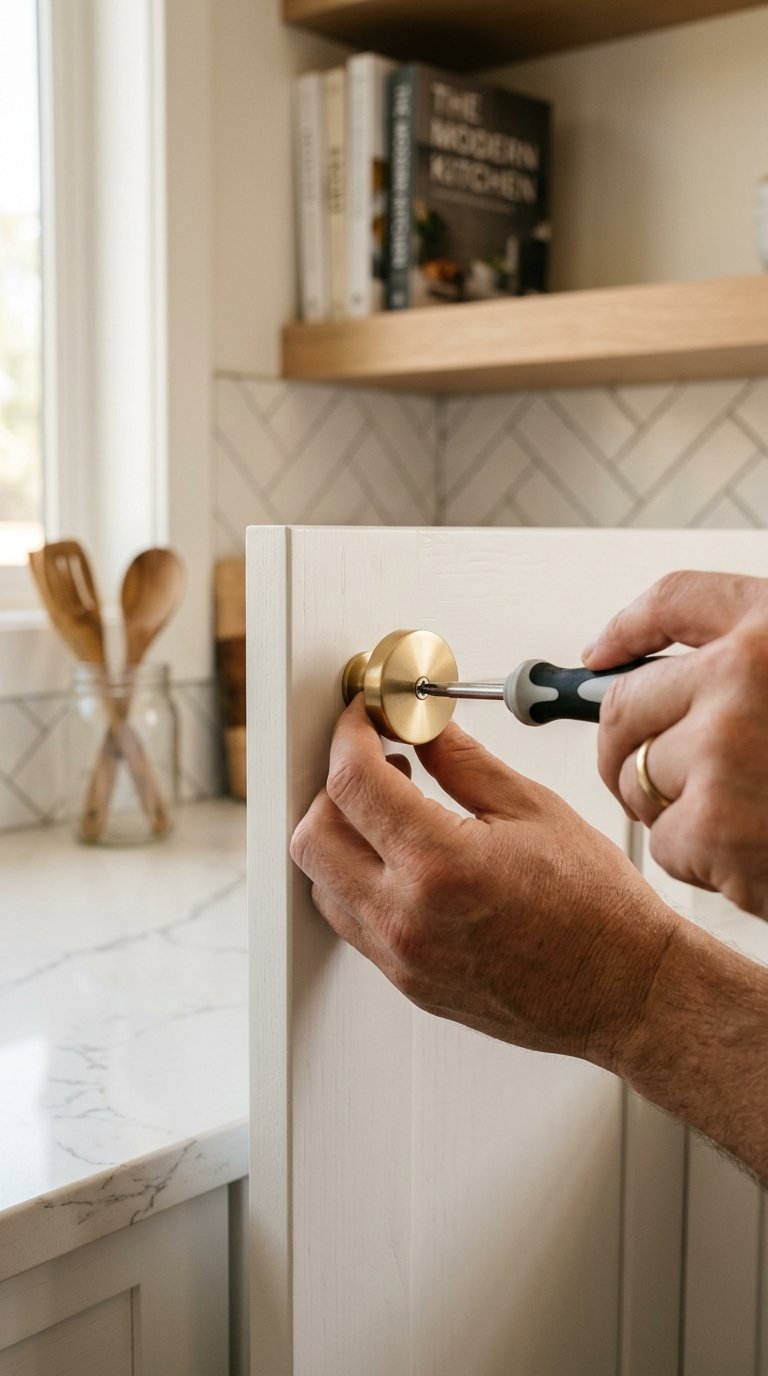
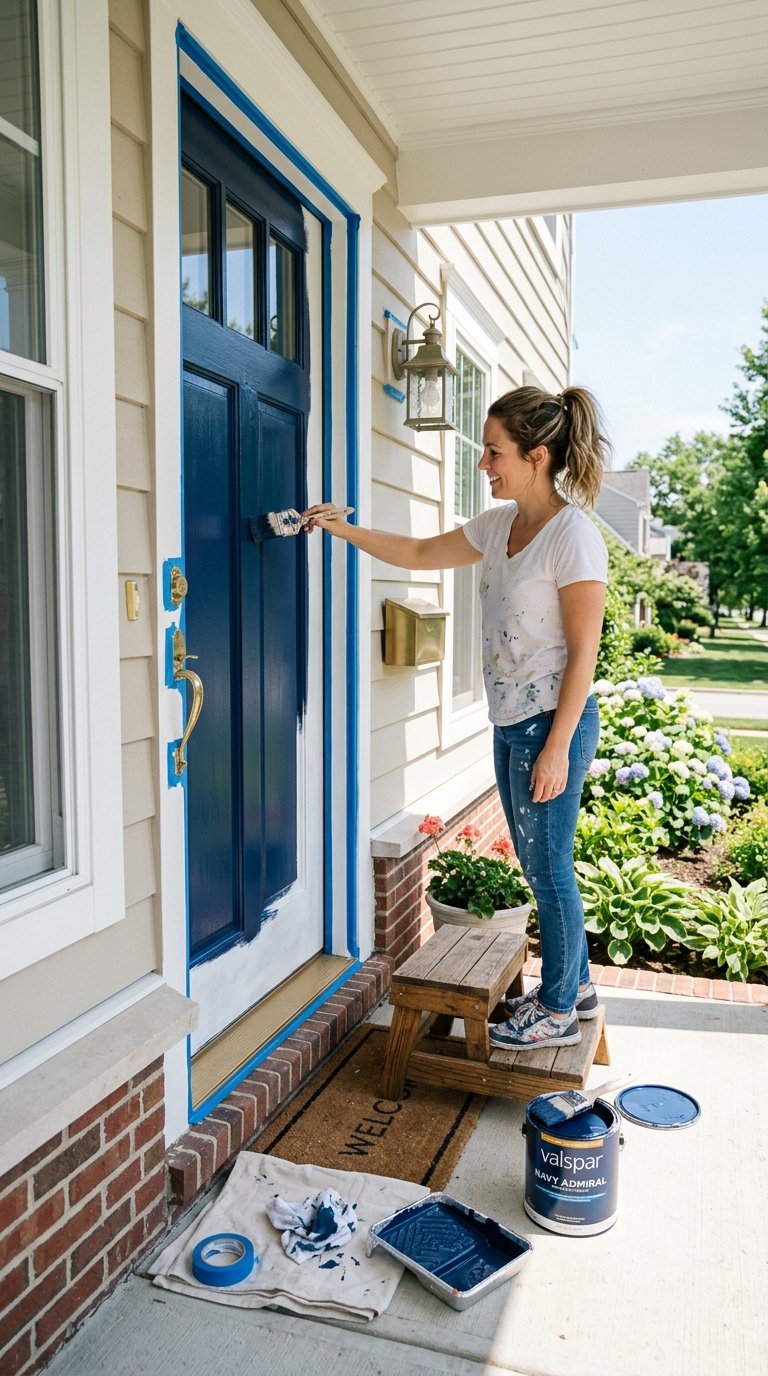
Most beginner DIYers aim for fixes with immediate visible results, such as a bold new front door color or fresh hardware in kitchens and bathrooms. You get bragging rights, more enjoyment from your space, and sometimes even a better resale impression when it’s time to move.
Want to expand your DIY impact? Explore projects like SPC flooring or even climate-friendly upgrades like smart thermostat installation, which are accessible with some research and the right prep.
Step-by-Step Guide: 3 High-Impact Weekend DIY Projects
The best DIY home improvement projects for first-timers are simple, require minimal tools, and make a noticeable difference. Here’s how to nail three top picks—each for well under $100.
1. Upgrade Cabinet or Drawer Hardware
- Materials: New knobs or handles (contractor packs are cheapest on Amazon, $1 per handle), screwdriver (manual or power), optional drill for new holes, measuring tape.
- Time: 30-60 minutes for an average kitchen or bathroom.
- Count the total handles and measure screw spacing before shopping.
- Remove old knobs—keep screws if compatible.
- Line up new hardware in existing holes for a quick swap. If holes don’t match, use a template or masking tape to mark and pre-drill new holes.
- Tighten screws firmly but avoid over-torquing.
2. Paint a Room or Your Front Door
- Materials: Quality paint (sample first to match your lighting), angled brush, roller, tray, painter’s tape, drop cloth, sandpaper for scuffing glossy surfaces, cleaning sponge.
- Time: 4-8 hours spread over a weekend (for full drying and clean lines).
- Clean and sand surfaces for better paint adhesion.
- Tape off trim and floors to prevent drips.
- Apply primer (if recommended by paint). Use a roller for large areas and a brush for edges.
- Allow coats to dry fully. Remove tape before paint sets hard to avoid peeling.
If you’re unsure about color, test a small, hidden patch first to see how it dries. Many DIYers report this step avoids costly re-dos (source).
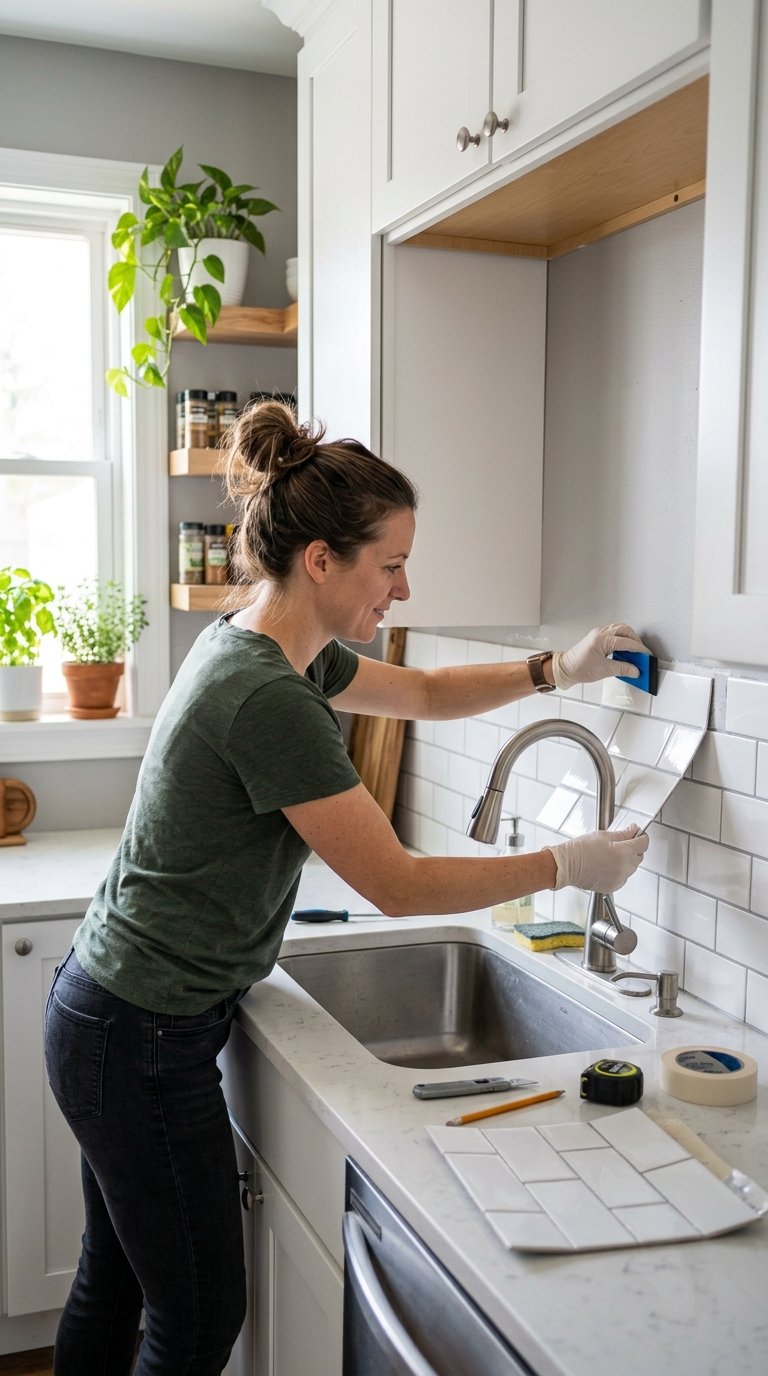
3. Install a Peel-and-Stick Backsplash
- Materials: Peel-and-stick backsplash tiles, utility knife, surface cleaner, level or ruler.
- Time: 2-3 hours for a standard kitchen sink wall or bathroom vanity area.
- Clean the wall thoroughly and dry it completely.
- Measure and plan your tile layout—start in a visible corner for the best alignment.
- Peel backing, press tiles firmly into place, and smooth out bubbles.
- Trim edge pieces with a sharp utility knife for a professional finish.
Unlike traditional tile, no grout or wet saw is needed. Peel-and-stick works best on very clean, non-textured walls and can be removed if you want a future upgrade (source).
Need more advanced ideas? Consider converting spaces—like in our porch conversion guide—for dramatic utility and lifestyle upgrades that go beyond surface fixes.
Advanced Analysis & Common Pitfalls
While these beginner DIY projects are confidence-builders, skipping essential steps can lead to frustration, safety hazards, and uneven results. Here’s what to avoid—and how to fix the most common problems.
Common Pitfalls for DIY Home Improvement Projects
- Improper Preparation: Forgetting to sand glossy or dirty surfaces before painting or applying backsplash tiles results in poor adhesion and peeling.
- Water Damage Risk: Not turn off the water before replacing fixtures can cause major leaks or flooding—always cut water to the area first (source).
- Hardware Mismatch: New handles often don’t align with old holes; failing to measure and mark leads to extra drilling and messy cabinetry.
- Paint Compatibility: Using the wrong paint for wood, metal, or plastic reduces durability and may incur extra costs to redo.
- Skipping Test Patches: Colors can look dramatically different once dry or in your room’s light—test first.
| Common Mistake | Result | Prevention Tip |
|---|---|---|
| Not turning off water before fixture install | Flooding, leaks, water damage | Always shut off water valves and open taps to drain system |
| Poor surface prep before paint/tile | Bubbling, chipping, peeling over time | Sand glossy areas, clean thoroughly, prime as needed |
| Mismatched hardware holes | Visible extra holes, crooked hardware | Buy hardware with exact hole spacing or fill/paint old holes first |
| Skipping test patch for paint color | Unwanted final color, extra repainting work | Sample a patch and check in varying light before committing |
Be aware that although you can purchase hardware for as little as $1 per handle on Amazon, and pre-cut wood from hardware stores like ReStore, not all affordable materials are equal—read reviews and inspect quality before starting.
For truly specialized projects, tackle basic electrical changes (such as installing a dimmer) only if you’re comfortable and aware of shut-off procedures. Most guides skip this, but safety always comes first. For more complex upgrades, check out our guides on pantry planning or large-scale remodels for realistic planning and safer DIY execution.
Conclusion: Your DIY Path Forward
Beginner-friendly DIY home improvement projects can spark instant change—without draining your wallet or requiring advanced skills. Focus on high-impact upgrades like hardware swaps, paint, and easy backsplash installations. Always prep thoroughly and start modest—each finished project builds experience and confidence. For more inspiration, browse our detailed guides to smart garage upgrades or home office renovations to level up your space gradually.
Ready to get started? Pick one project from this list, set aside a weekend, and see what a DIY approach can do for your home.
Frequently Asked Questions
What’s the easiest DIY home improvement project for a true beginner?
Upgrading cabinet or drawer hardware is the quickest win. All you need is new knobs or handles and a screwdriver. If you match the hole spacing, you’ll avoid new drilling entirely.
How can I avoid painting mistakes?
Sand glossy surfaces, clean walls, use painter’s tape, and always test a small patch for color. Let coats dry fully before applying additional layers or removing tape.
Are peel-and-stick backsplashes really durable?
They’re ideal for low-splash areas like behind vanities or light-use kitchen walls. They adhere best to ultra-clean, smooth surfaces and can usually be removed without wall damage.
What safety precautions should I take?
Turn off water before plumbing work, and electricity before electrical DIY. Wear gloves and eye protection. Read all product and tool instructions before starting.
Where can I get the best value on materials for beginner projects?
Amazon contractor packs are best for hardware, while stores like ReStore offer pre-cut wood or discounted supplies. Compare quality and reviews before purchase to avoid cheap materials that underperform.