

Table of Contents
Kitchen island upgrade projects are one of the top ways homeowners are reshaping their kitchens in 2024, transforming them from simple prep spaces into multifunctional work, dining, and tech hubs.
Key Takeaways
- Larger, multifunctional kitchen islands with integrated storage, charging, and seating are in high demand for modern remodels.
- Upgrades can be complex, requiring careful planning for electrical, plumbing, and space—potential pitfalls are common.
- Smart design choices and durable materials are essential for ROI, daily functionality, and long-term satisfaction.
What Is a Kitchen Island Upgrade and Why Should You Care?
A kitchen island upgrade means reimagining your island as much more than an extra counter. In 2024, over 40% of homeowners are choosing islands over 7 feet long to maximize functionality. Features most requested are dining/eating areas, food prep zones, appliance drawers, device charging, and work-from-home stations (NKBA 2024 Kitchen Trends). The kitchen island now extends your cooking space and becomes a central hub for family and guests.
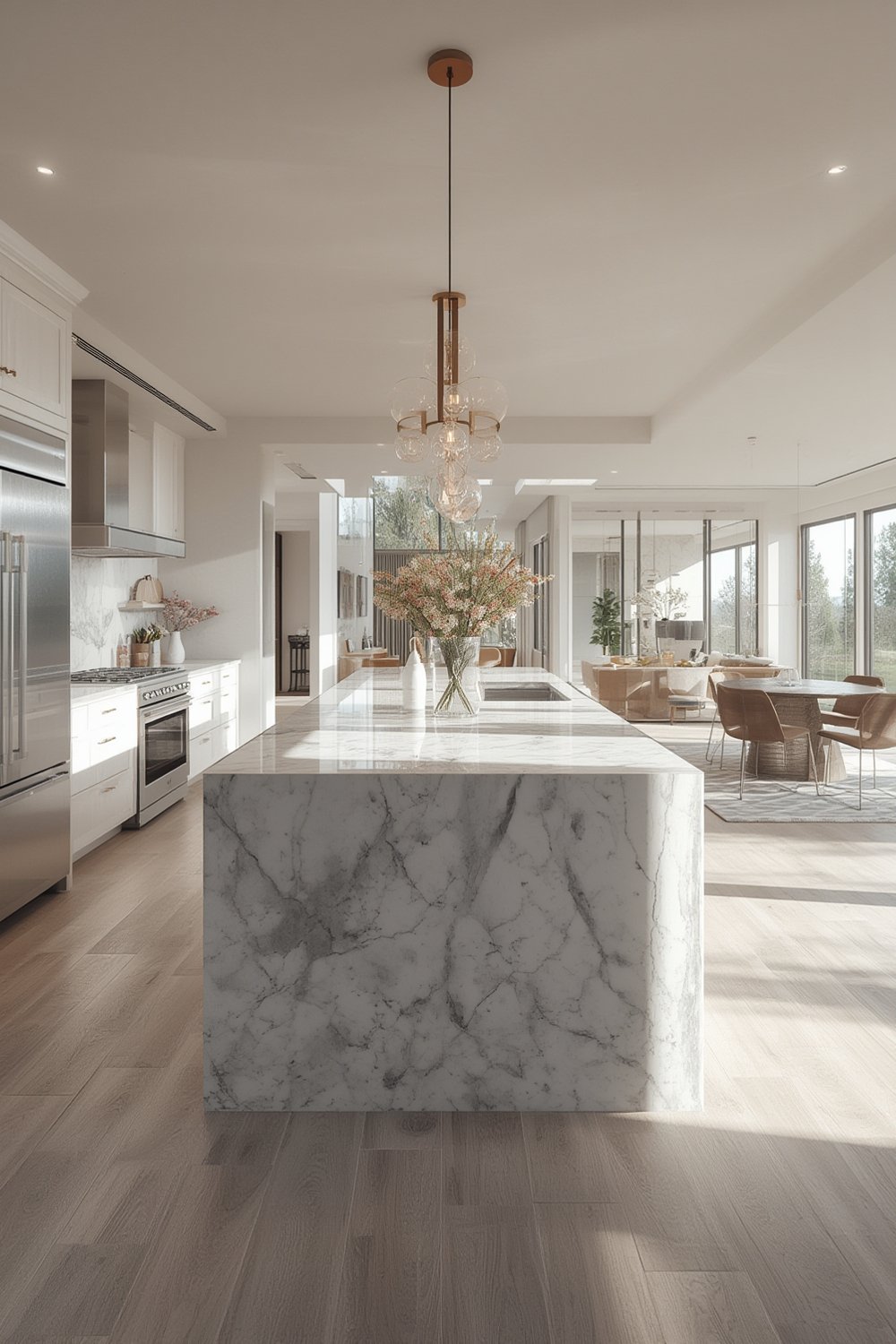
People choose to upgrade their kitchen islands to get more storage, seating, technology integration, and an easy workflow. It’s not just about looks—these upgrades are central to an efficient modern kitchen and often replace the need for a formal dining room. If you want improved organization, better socialization, and a boost in home value, focusing on the island is one of the smartest upgrades you can make.
If you’re planning a remodel or moving towards smart home living, see how this trend complements other upgrades like a smart garage door opener or home office renovation for overall modernization.
Step-by-Step Guide to a Successful Kitchen Island Upgrade
- Assess Your Needs and Space
Measure your kitchen to determine if there’s room for a large, multifunctional island. Most trending islands are 7 feet or longer (Houzz 2024 Study). Think about your goals—do you want extra seating, a workspace, charging stations, or storage? - Choose the Right Features
Consider these popular options:- Dining or eat-in space (bar seating or table-height extension)
- Power outlets and USB charging points
- Deep drawers, appliance garages, or butler-style pantries for storage
- Prep sink or full butler sink (if plumbing allows)
- LED-lit drawers, hidden electrical, and pull-out recycling bins
- Create a Detailed Design Plan
Work with a designer or architect to turn your goals into blueprints. Specify materials (wood, stone, quartz for waterfall edges), dimensions (island width/depth), and all required infrastructure for seating and tech. - Get Permits and Coordinate Contractors
Electrical, plumbing, and cabinetry pros must coordinate their work—upgrades like hidden charging stations or a prep sink require advance planning to avoid costly mistakes. Double check with local building codes regarding electrical and water lines. - Order Durable, Modern Materials
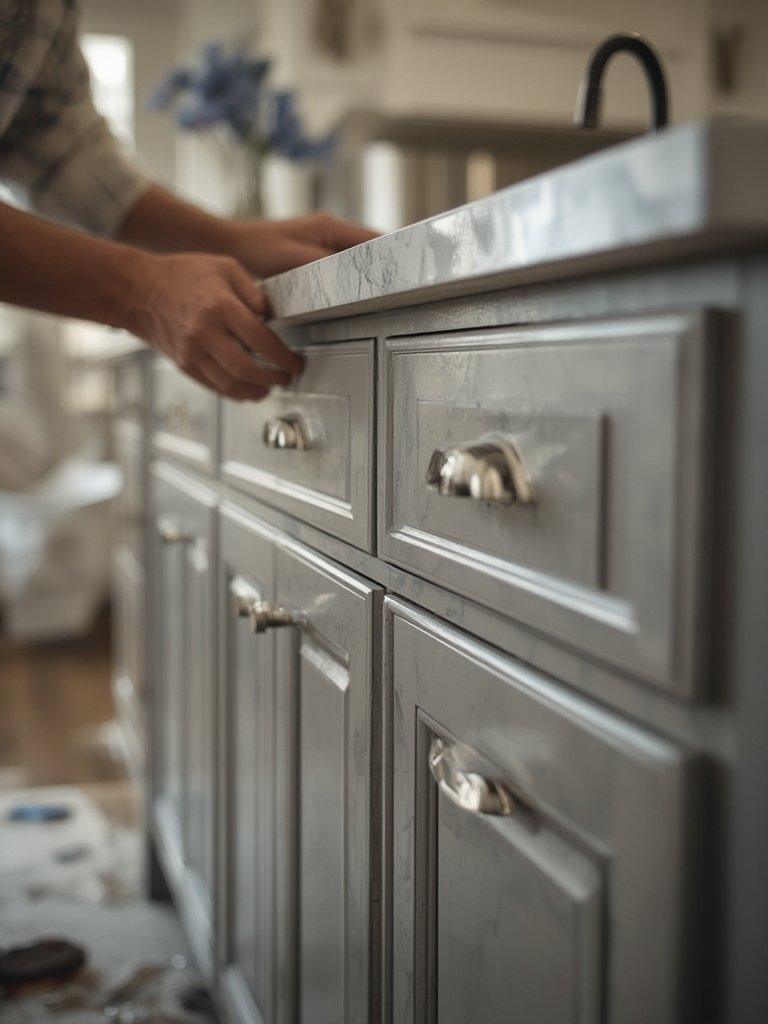
Opt for trending but durable finishes. Examples: wood-grain or painted cabinets, high-texture wood, or fluted panels add style while resisting daily wear. - Implement Smart Storage and Space-Saving Solutions
Upgrade with deep lower cabinets, extra drawers, appliance drawers (such as microwaves or beverage coolers), and softly lit interiors for easy access. Consider mixing open shelving for cookbooks with closed storage for clutter. - Integrate Lighting and Fixtures
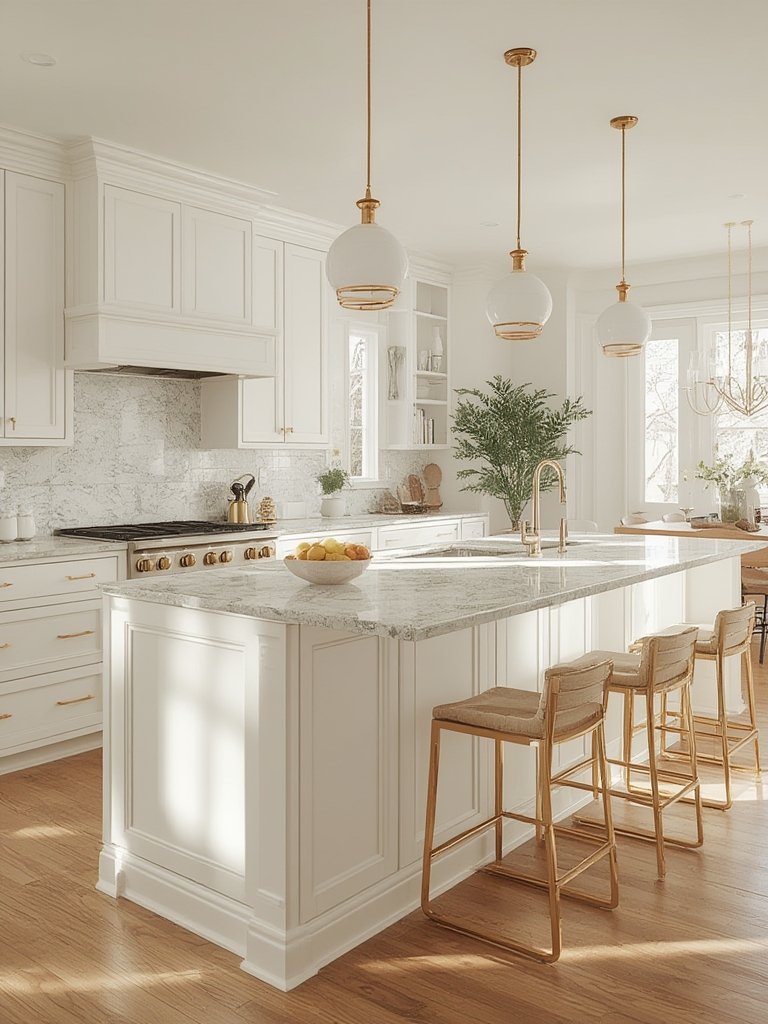
Nearly all remodelers (94%) update island lighting (Houzz 2024). Choose pendant lights, under-counter LEDs, and don’t forget GFCI outlets for safety. - Punch List and Quality Check
Before wrapping up, check all built-in appliances, outlets, seating clearances, plumbing, and lighting. Address any tight spaces or access issues immediately.
If budget is tight, prioritize the features that matter most—like deep drawer storage, which is highly functional, or a seating overhang for informal meals. For inspiration on clever, space-saving design, read our guide to the ventless washer dryer combo—another example of smart solutions for modern homes.
Advanced Analysis & Common Pitfalls
While the payoff of a kitchen island upgrade is big, several challenges are often overlooked—and some can be expensive or impossible to fix later.
| Upgrade Feature | Common Pitfall | How to Avoid/Remedy |
|---|---|---|
| Seating | Tight legroom under counter or poor walkways around seats | Plan for 15-18 inches of knee space; maintain at least 36″ walkway |
| Electrical/Charging Stations | Inadequate wiring, tripping circuit breakers, visible messy cords | Use a licensed electrician; specify pop-up or hidden USB ports; check electrical load before adding appliances |
| Prep or Butler Sinks | Limited under-island plumbing space, risk of leaks, drainage slope issues | Map all plumbing routes in advance; use compact, code-compliant sinks and proper venting |
| Waterfall Edges/Materials | Prone to chipping, fingerprints, or poor seam alignment | Choose stone or engineered quartz for durability; vet fabricators for waterfall expertise |
| Storage | Cabinets too shallow, inefficient access, wasted corner space | Opt for deep base drawers, lazy Susans, and adjustable shelves; prioritize drawer storage over doors |
| Lighting | Dark countertop areas or glare from poor fixture placement | Layer pendants with under-cabinet LEDs, use dimmers for flexibility |
Some pitfalls aren’t just technical—they can sap ROI or daily enjoyment. Overspending on trendy finishes or failing to future-proof for your technology habits can limit results. Also, keep in mind that there is rarely hard data on ROI for each feature (like butler sinks or charging stations) but spending rises every year: the median major remodel now runs $55,000 (Houzz).
Want to see similar modern durability in action? Consider SPC flooring—its water and scratch resistance makes it a perfect complement to today’s livable, long-lasting kitchen island designs.
Conclusion
A kitchen island upgrade offers unmatched potential for improving your kitchen’s function, style, and tech-readiness. From extra storage to integrated charging and seating, the right island can change how you live and work at home. Plan with precision, invest in durable materials, and work with professionals—especially for electrical or plumbing. For more insights, check our guide to energy efficient windows or find ways to maximize ROI on related spaces.
Ready to start your own kitchen island upgrade? Make a list of must-have features and book a consultation with a kitchen designer who understands modern multifunctional living. Your ideal kitchen is within reach!
FAQ
How wide should my kitchen island be to allow for seating?
Allow at least 24 inches in width per seat. For three to four seats, plan an island that’s at least 7 feet long. Leave a 15-18 inch overhang for leg space.
Can I add a sink or dishwasher to my existing island?
It’s possible but may require extensive plumbing work and proper drainage. Consult a plumber and verify that your existing cabinetry can support the needed utilities.
What is the best material for a kitchen island with heavy use?
Quartz and engineered stone are popular for durability and easy maintenance. Wood with tough finishes or high-pressure laminates are also trending for their resilience and style.
Is it worth installing hidden charging stations?
Yes, especially for families who use many devices. Pop-up or drawer-embedded outlets keep counters clutter-free and technology accessible.
How do I coordinate a kitchen island upgrade with other home improvements?
Combine planning with related projects. For instance, tackle kitchen, flooring, or smart home upgrades together to minimize disruption and maximize ROI.