

Table of Contents
Best furniture for small apartments can be the difference between cramped chaos and maximized comfort. Choosing the right pieces is essential for function, style, and livability in compact urban spaces.
Key Takeaways
- Space-saving and multifunctional furniture markets are booming globally, especially in Asia Pacific’s compact urban centers.
- Smart and multifunctional designs like sofa beds and extendable tables are in high demand, but pitfalls include tricky assembly and less-than-comfortable compromises.
- Planning layout, understanding real space needs, and choosing reliable brands can prevent buyer’s remorse with small apartment furniture.
What Makes Furniture ‘Best’ for Small Apartments?
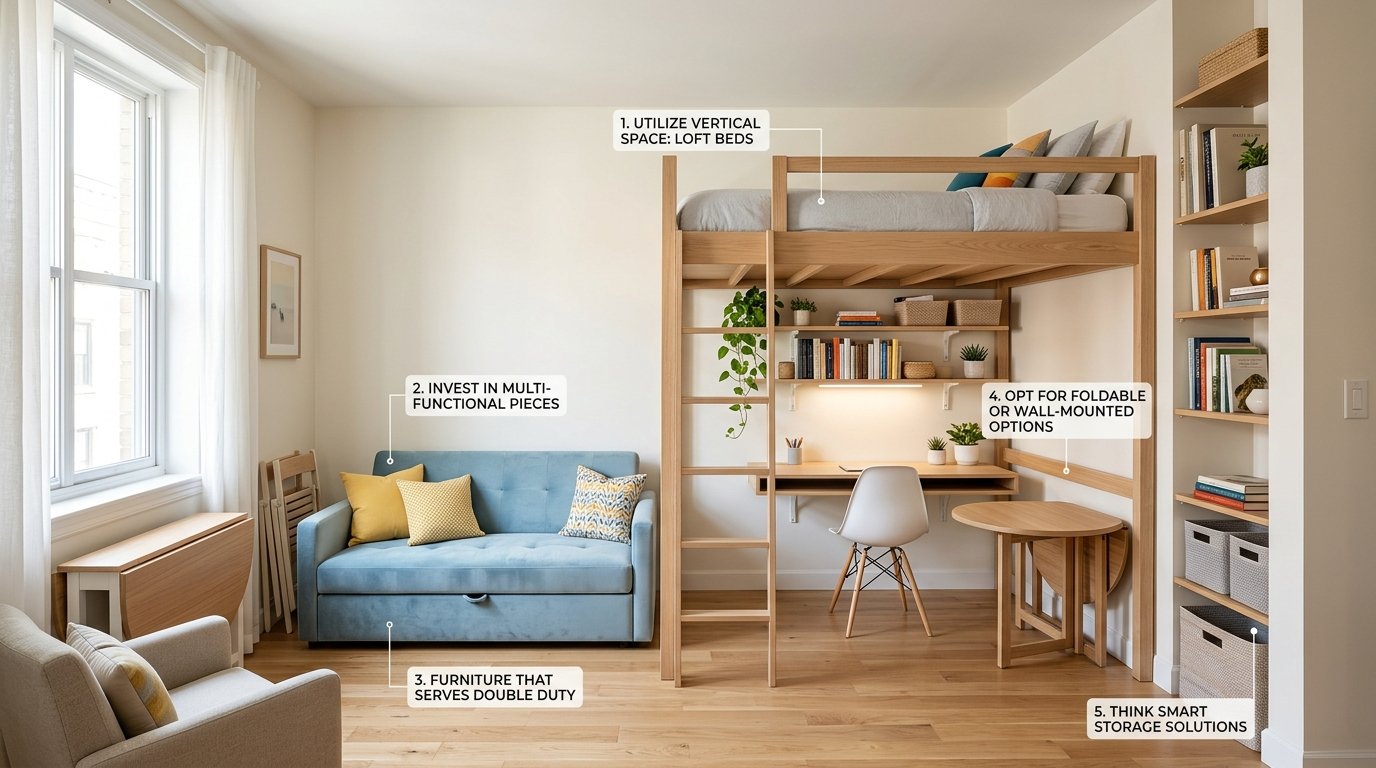
Living in a small apartment means every inch counts. The best furniture for small apartments is all about adaptability, space efficiency, and maximizing utility. From sofa beds that turn into sleep solutions, to nesting tables and vertical storage, multifunction is king. The global small space furniture market is on track to hit USD 41.2 billion by 2032, spurred by increased urbanization and the demand for flexible living solutions.
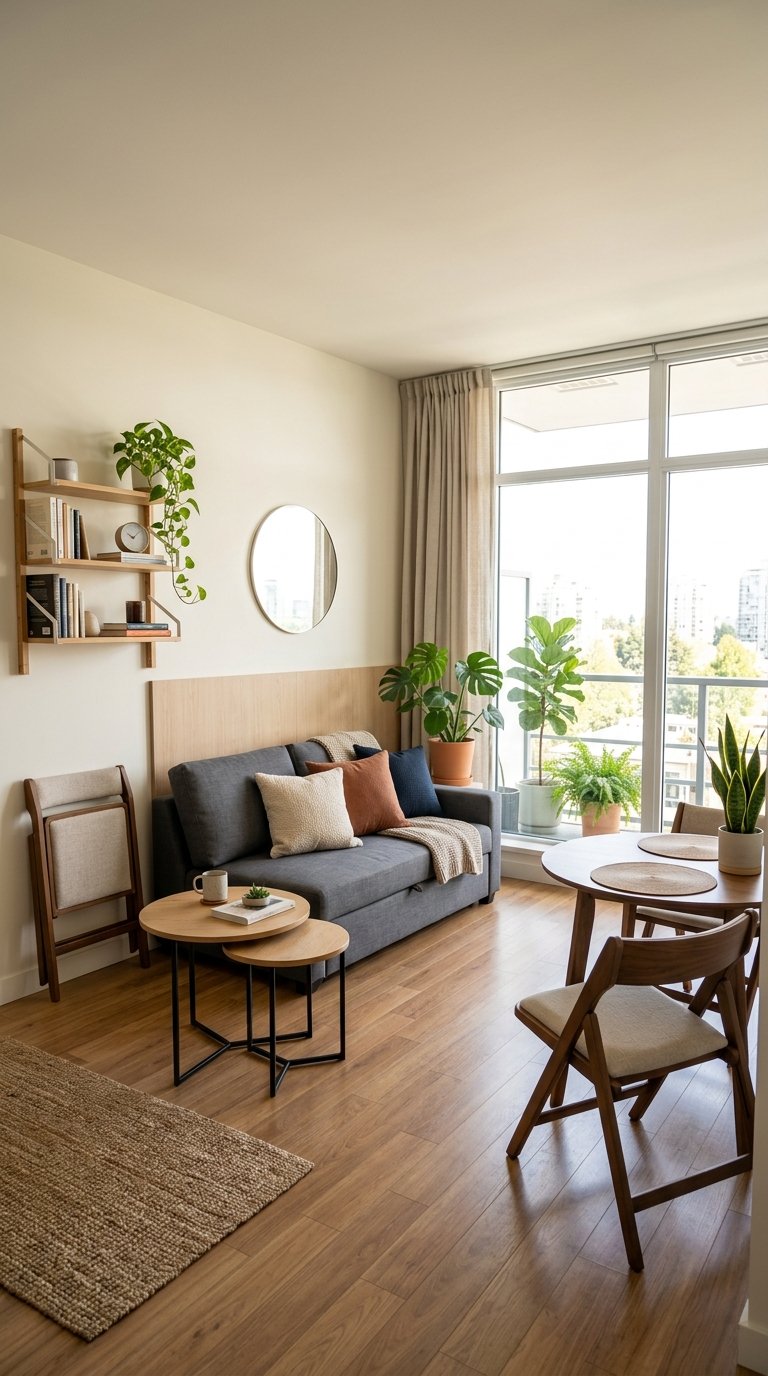
Smart furniture, such as app-enabled tables or beds with integrated charging stations, is projected to nearly triple in global market size by 2033. These trends aren’t just buzzwords: city dwellers in Asia Pacific, North America, and Europe are investing in foldable, stackable, and modular pieces that offer maximum function in minimum space.
Getting it right boils down to needs analysis, efficient use of vertical/horizontal space, and realistic expectations about trade-offs between form, comfort, and convenience.
How to Choose and Layout Furniture in Small Spaces: A Step-by-Step Guide
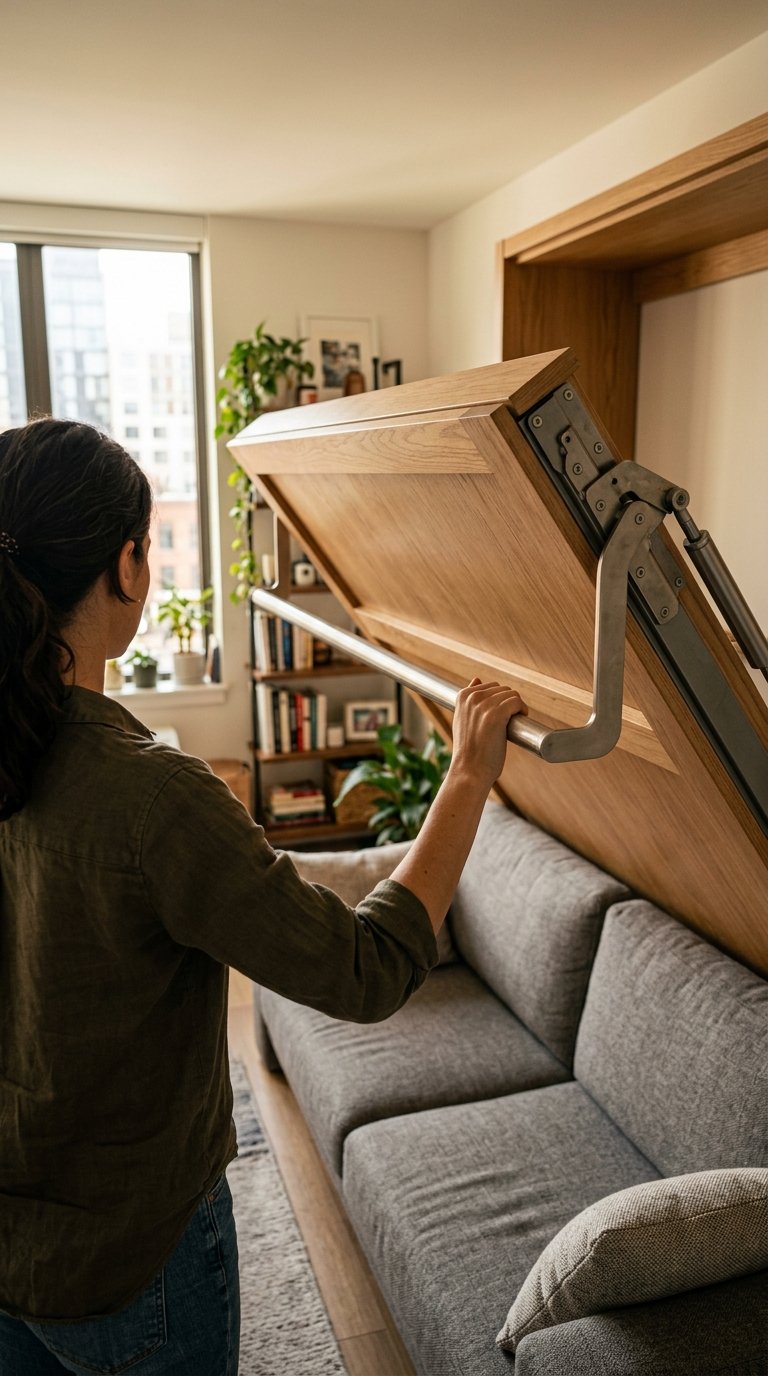
- Measure every space. Before considering a purchase, take detailed measurements of your walls, floor space, and doorways. Account for walkways and clearances for items like Murphy beds or recliners.
- List essential functions. Decide what you need—bed for sleeping, table for working/eating, storage for clutter, etc. Limit to the true essentials to reduce crowding.
- Prioritize multi-tasking pieces. Look for extendable tables, sofa beds, storage ottomans, and wall-mounted foldables. Avoid oversized or purely decorative items.
- Use vertical space. Incorporate tall shelving units, wall hooks, and cabinets mounted above head height. This frees up floor area while boosting storage.
- Trial layouts before buying. Use painter’s tape or online room planners to visualize the fit, walkways, and flow in your room.
- Compare quality, not just price. Flimsy, hard-to-assemble furniture often causes regret. Read reviews and check weight ratings before committing.
- Plan for adaptability. Pieces that can move, fold, stack, or serve multiple roles will stay useful even if you rearrange or relocate.
- Check tech compatibility. For smart/IoT furniture, verify integration with devices like Google Home or Alexa, and make sure you have sufficient power outlets.
- Factor in setup and maintenance. Some pieces require complicated assembly or extra hardware—budget time and read instructions before you buy.
If you’re tackling an even bigger compact-living project, check out guides such as ventless washer dryer combo solutions or Butler’s pantry space planning to maximize efficiency.
Advanced Analysis: What Could Go Wrong with Small Space Furniture?
It’s easy to get swept up in trendy space-saving solutions, but reality can bite. Below are real-world problems and pitfalls to watch for when choosing the best furniture for small apartments:
- Quality trade-offs: Budget-friendly, multifunctional pieces often sacrifice durability and comfort. Thin mattresses or cushions, poor-quality hinges in foldables, and unstable stacking designs are common issues.
- Assembly frustrations: Flat-pack space-saving furniture can require hours of confusing assembly. Missing or cheap hardware, unclear instructions, and awkward sizes are common complaints.
- Mismatch with real space: Fold-out or extendable models may need substantially more open area to deploy, limiting their utility in extremely tight quarters.
- Maintenance and cleaning: Hard-to-move or bulky items can make daily cleaning a struggle, especially under or behind Murphy beds or modular sofa sets.
- Tech compatibility issues: For smart furniture, apps or integrations can stop working or lag behind firmware updates from big platforms.
| Furniture Type | Advantages | Common Pitfalls | Ideal For |
|---|---|---|---|
| Sofa Bed | Dual use, major space saver, guest-friendly | Often heavy, complex to convert, mediocre sleep comfort | Living rooms, studios |
| Murphy/Wall Bed | Free up floor space when not in use | Expensive, installation required, can damage walls | Micro apartments, studios |
| Expandable Table | Adjustable for solo or group use | Flimsy mechanisms on cheaper units, “wobble” issues | Dining/kitchen nooks |
| Vertical Storage | Maximizes high space, declutters floors | Tip-over risk if not anchored, hard to access top shelves | Bedrooms, kitchens, home offices |
| Smart Furniture | Charging, automation, speech/app integration | Higher prices, requires Wi-Fi/power upgrades | Tech-savvy renters, smart homes |
For even more home improvement and organization hacks, look to DIY projects for small home upgrades, cable management kits, and SPC flooring for easy cleaning.
Market data shows that Asia Pacific leads in the adoption of small space furniture at a 7.2% CAGR —but buyers worldwide face similar trade-offs between convenience and durability. Also, be wary of brands that over-promise “luxury” or “instant assembly”: check customer reviews, warranty info, and actual return/exchange policies.
Conclusion
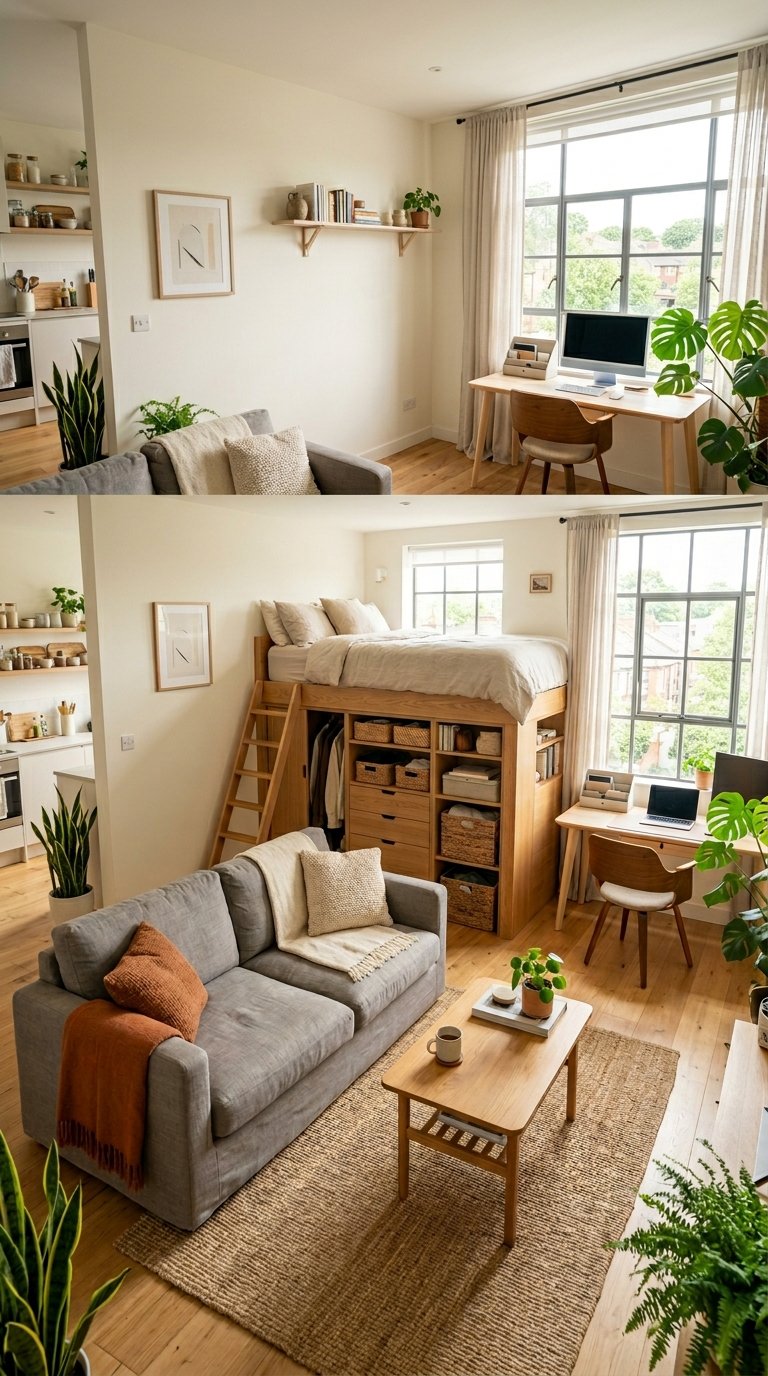
Getting the best furniture for small apartments means analyzing your real needs, focusing on quality over flash, and planning your layout strategically. The right furniture can transform even the tiniest studio into a comfortable, functional home. Want more actionable ideas? Explore space solutions for smart homes in our smart garage door opener guide or check cutting-edge living trends in our home office renovation guide. Ready to upgrade? Shop smart, measure twice, and build a home you’ll love.
FAQ
What types of furniture are best for small apartments?
Look for multifunctional pieces like sofa beds, extendable dining tables, and storage ottomans. Folding and stackable options are also ideal to maximize utility and space.
Is smart furniture worth the investment for small spaces?
Smart furniture can add convenience with features like charging ports and app controls, but it often comes at a premium price. Consider your tech needs and home layout before investing.
What are the downsides of multifunctional furniture?
Common drawbacks include complicated assembly, less durable moving parts, and sometimes compromised comfort. Always check reviews and warranty coverage before buying.
How do I avoid clutter in a small apartment?
Minimize decorative-only pieces, use furniture with built-in storage, and regularly declutter. Vertical storage and items that fold or stack help keep floors clear.
Where can I find more small space optimization tips?
Check out our DIY home improvement projects and enclosed porch conversion guide for more actionable ideas.