

Table of Contents
Enclosed porch conversion projects are surging as homeowners seek flexible, value-adding living spaces that blur the line between indoors and out. From screened porch enclosures to insulated four-season sunrooms, this guide demystifies cost, ROI, energy efficiency, and mistakes to avoid—so you can make the smartest investment for your home.
Key Takeaways
- Screened porch enclosures start around $2,000 to $5,000, while four-season conversions can exceed $80,000—plan your scope and budget carefully.
- Four-season sunrooms demand higher upfront costs but may offer stronger ROI and home value, provided energy efficiency and HVAC are planned from the start.
- Overlooking permits, insulation standards, or routine maintenance can lead to regrets, increased costs, and potential code violations.
What Is an Enclosed Porch Conversion?
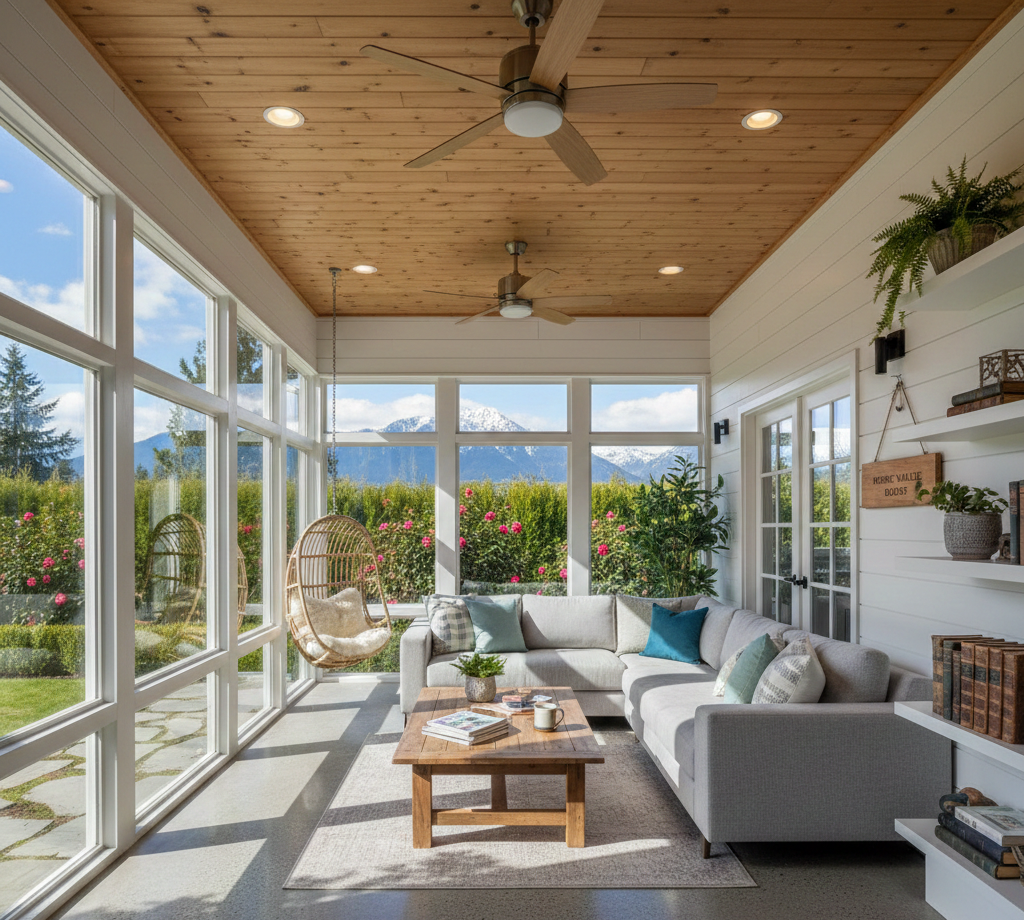
An enclosed porch conversion transforms a covered outdoor area—like a patio, deck, or screened-in porch—into a semi- or fully enclosed living space. This can mean adding screens and storm windows for seasonal use (three-season room) or upgrading insulation, glass, and climate control for year-round function (four-season room or sunroom).
The appeal is clear: Enclosed porch conversions boost usable square footage, increase brightness, and connect you to your yard without the bugs or weather hassles. Whether you choose screens or a completely finished four-season space, each option comes with unique cost, comfort, and maintenance considerations.
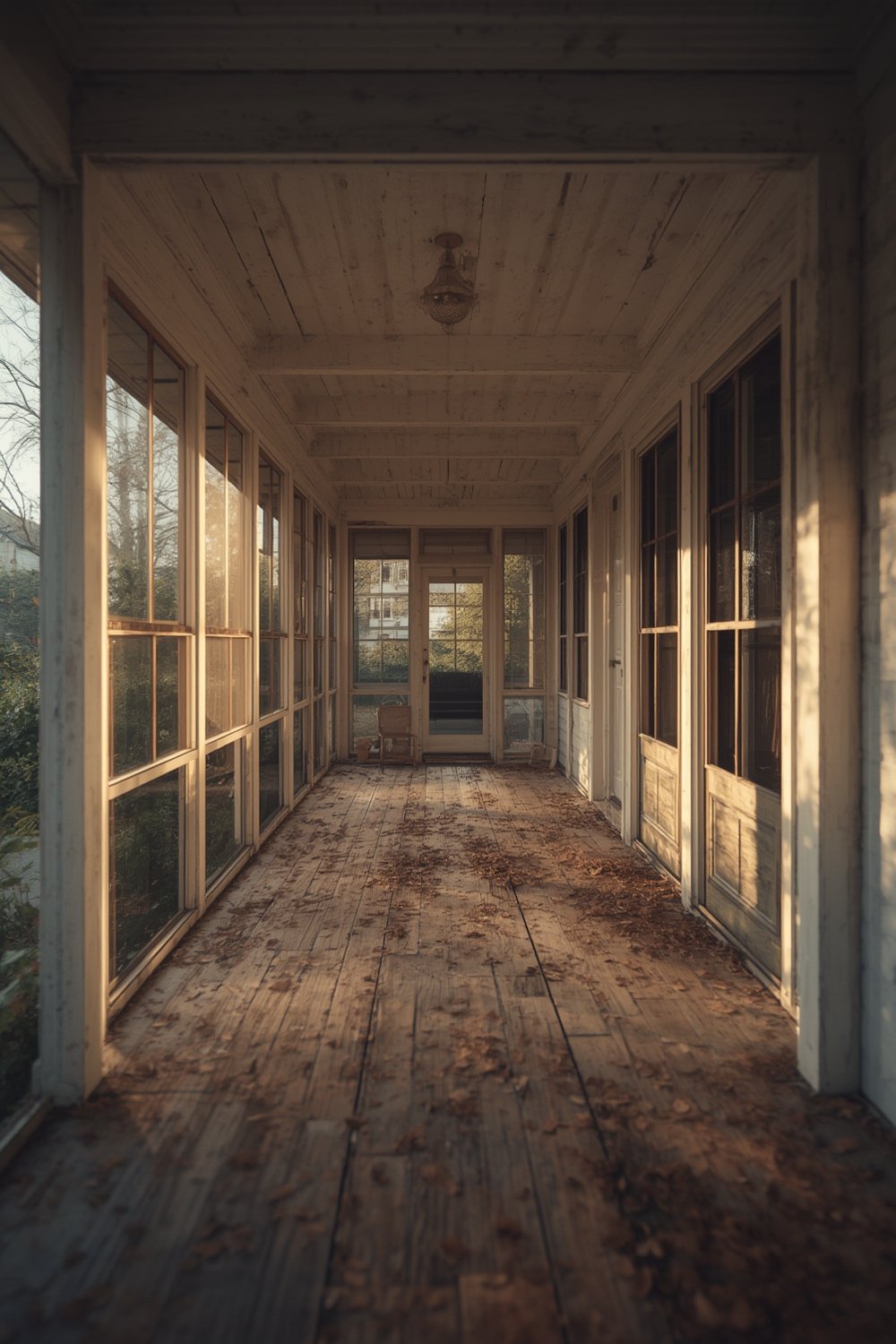
How to Convert Your Porch: Step-by-Step Guide
- Decide on your enclosure type and budget.
The most basic enclosure is a screened porch ($2,000–$5,000), ideal for bug control. Upgrade to glass or vinyl windows for three-season use ($16,000–$46,000). For year-round comfort—including winter—budget $40,000–$80,000 for a complete four-season sunroom with full insulation and HVAC.
See average enclosure costs. - Check local building codes and permitting.
Before any structural work, contact your local permitting office to verify code requirements, setbacks, insulation standards, and whether architectural plans are required. Not all competitors warn how easy it is to skip this step—and suffer stop-work orders or expensive rework. - Assess the foundation, roof, and structural supports.
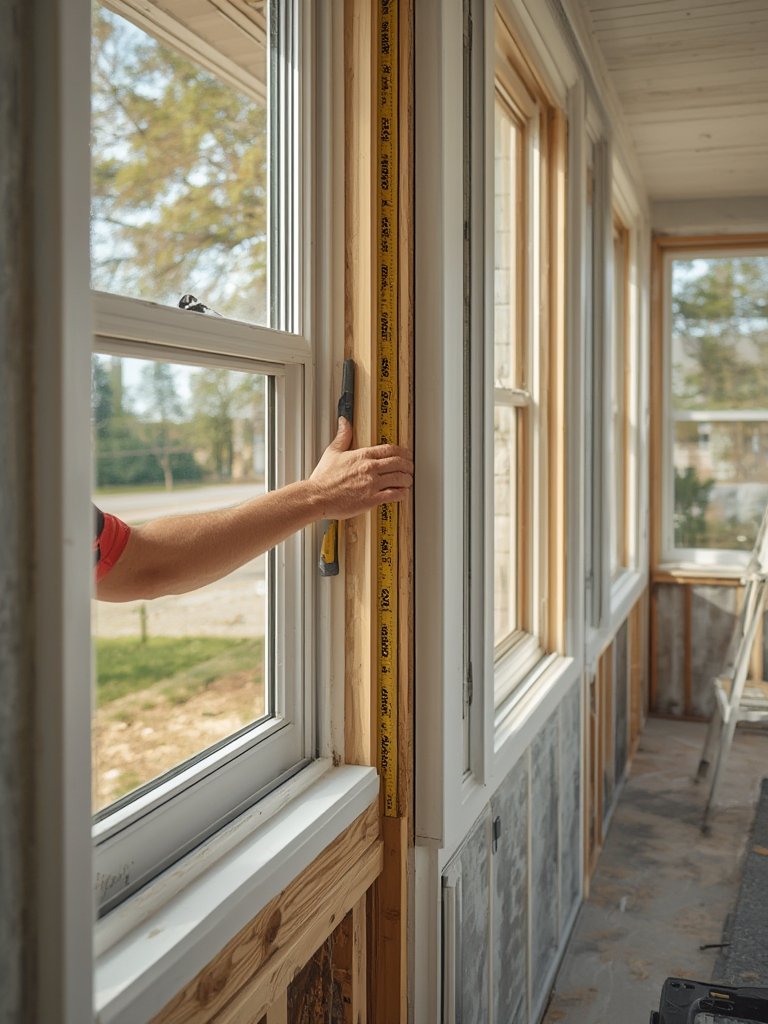
Your existing porch may need extra footings or framing upgrades to handle new windows, roof loads, or insulation. Ignoring this can jeopardize safety and code compliance.
Learn more about foundational needs in our SPC flooring installation guide—many principles overlap. - Select materials for glass, insulation, flooring, and finishes.
Double- or triple-pane glass improves energy efficiency but raises upfront costs (source). Wall insulation should meet or exceed local code for new conditioned spaces. For floors, consider water-resistant SPC flooring or LVP for easy cleaning (SPC flooring guide). - HVAC and electrical planning.
Four-season conversions need a heating and cooling source—mini-splits are popular for efficiency and zoning. Always add dedicated outlets and lighting circuits to meet code and comfort requirements. - Schedule inspections and finish the space.
Complete your enclosure, call for required inspections, then finish walls, paint, trim, and decor. Don’t forget routine window cleaning and HVAC filter changes to protect your investment.
For homeowners who want seamless smart-home integration, consider adding a smart garage door opener or ventless washer dryer combo near your new space—these upgrades deliver daily convenience alongside your newly enclosed porch.
Advanced Analysis & Common Pitfalls
Even the best planned enclosed porch conversion can run into unexpected headaches. Learn from real-world issues and avoid the following common pitfalls:
| Pitfall | Description | How To Avoid |
|---|---|---|
| Skipping permits or code checks | May result in fines, forced demolition, or unsellable property. | Always confirm local permit rules; request inspections at key stages. |
| Underinsulating walls, roof, or glass | Increased heating/cooling bills and uncomfortable rooms with condensation, drafts, or overheating. | Use modern double/triple-pane glass and meet or surpass minimum R-values. |
| Poor HVAC sizing or placement | Space will not stay comfortable year-round. Fixing later is costly. | Consult HVAC pros early. Mini-split ductless units are ideal for new sunrooms. |
| Surface-only upgrades | Covering old floors/walls without fixing underlying rot leads to structural problems. | Correct water, insect, or structural issues before finishing surfaces. |
| Choosing the wrong enclosure type for your climate | Three-season rooms in harsh climates see little use in winter or summer—wasting your investment. | Analyze local temps and sunlight. Opt for four-season conversion if you want year-round use. |
| Ignoring maintenance needs | Dirty windows, neglected HVAC, and caulk failures—can all shorten room lifespan and hurt ROI. | Schedule cleaning, inspect for leaks, and maintain HVAC filters routinely. |
Sunroom vs. screened porch: see more pros, cons, and maintenance musts here.
For further flexibility in home design and maintenance, explore our butler’s pantry planning guide and recent trends in SPC flooring—perfect for high-traffic, bright new sunrooms.
Conclusion
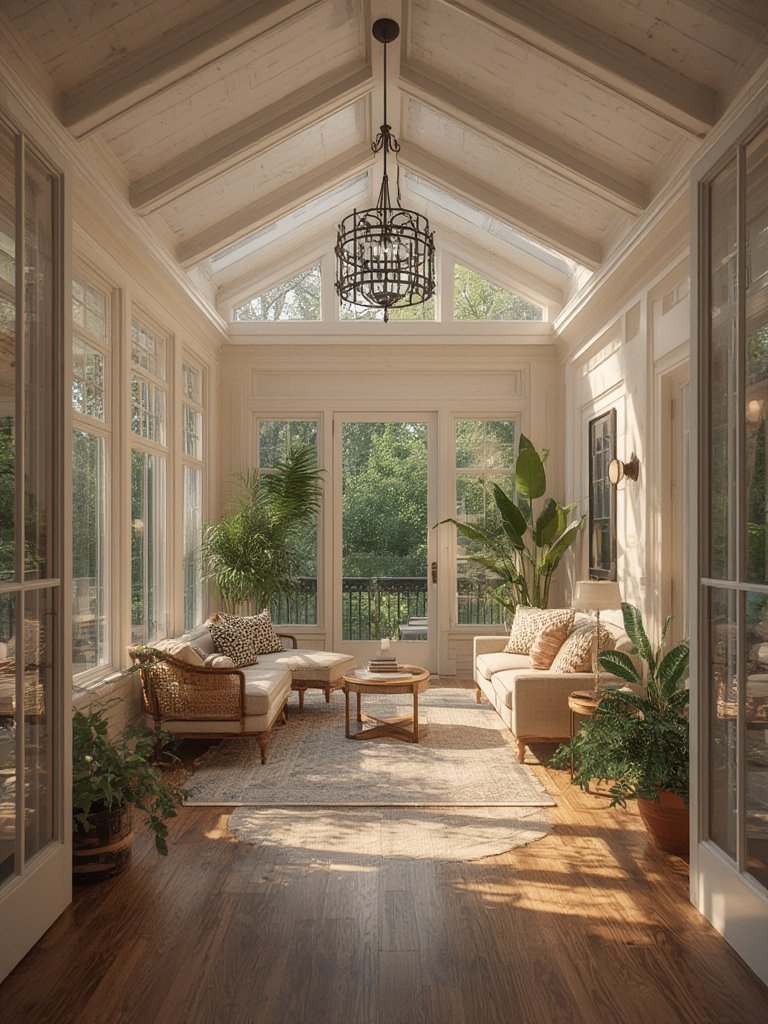
Enclosed porch conversion can dramatically expand your living space, boost natural light, and increase home value. Costs vary widely, from an affordable screened porch to a premium four-season room with full HVAC—so plan your project with code, insulation, and maintenance in mind.
Ready to achieve a seamless enclosed porch conversion? Start by assessing your needs, budget, and long-term comfort, then consult local pros for design and permitting assistance. Explore related upgrades—like smart home garage integration—to maximize daily enjoyment and resale value.
FAQ
How much does it cost to convert an enclosed porch to a four-season room?
Converting to a four-season room typically ranges from $40,000 to $80,000 for a 200-square-foot space, or $200–$400 per square foot. Costs can vary due to local labor, insulation needs, and glass selection. Get more details here.
Do I need a permit for an enclosed porch conversion?
Yes, most municipalities require a permit to enclose a porch—especially for structural changes, electrical, or HVAC work. Skipping this step can lead to fines, future resale hassles, or even forced removal.
What insulation and HVAC are needed for four-season porches?
Four-season conversions must meet local code for wall, floor, and ceiling insulation (often R-13–R-21), feature insulated double-pane or triple-pane windows, and include dedicated heating/cooling—like a mini-split HVAC system.
Does an enclosed porch conversion add resale value?
Yes. Sunrooms and insulated porch conversions can return about 50% of their investment at resale and make homes more appealing by adding bright, flexible living area. See ROI and value data.
Are there any low-maintenance tips for new sunrooms?
Choose water-resistant flooring (like SPC), invest in quality windows with easy-clean coatings, and schedule annual HVAC service. Inspect caulk and flashing every spring to prevent leaks and damage.